









Elon Musk’s AI Turns on Him, Labels Him ‘One of the Most Significant Spreaders of Misinformation on X’
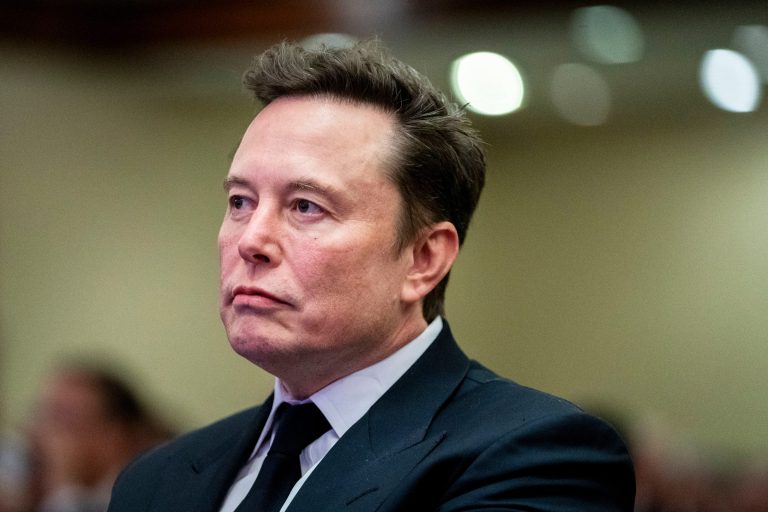
Elon Musk, the billionaire entrepreneur known for Tesla, SpaceX, and his ownership of social media platform X (formerly Twitter), has found himself in the middle of a controversy that seems almost science fiction. Reports have surfaced that an artificial intelligence system — tied to X’s own fact-checking and content moderation tools — has identified Musk himself as “one of the most significant spreaders of misinformation on X.”
This surprising development has set off debates across the tech, political, and social media landscape. Musk, who has long championed free speech and minimal moderation on the platform, may now be facing a backlash from the very technology he has promoted.
How Musk’s AI Flagged Him
Since acquiring Twitter in 2022 and rebranding it as X, Elon Musk has invested heavily in automation, AI moderation tools, and community-based fact-checking features such as Community Notes. These systems were designed to identify misleading or false information, regardless of who posts it.
According to reports, these AI-driven systems recently flagged several of Musk’s posts related to politics, global events, and health policies. The AI-generated analysis concluded that Musk himself was amplifying misinformation at a high scale, a conclusion that quickly went viral and sparked worldwide conversations.
The irony of a platform’s AI calling out its own owner has not been lost on critics and supporters alike.
Why This Matters for Social Media
Musk has often argued that traditional media outlets censor free expression and that X would stand as a digital town square where all ideas can be debated openly. However, misinformation has become one of the platform’s biggest challenges.
- Credibility of AI moderation: If the AI can objectively flag the platform’s owner, some experts argue it shows the system is working.
- Risk of bias: Critics worry that the AI could be manipulated, pointing out that algorithms reflect the data and biases they are trained on.
- Global trust issues: As X aims to expand its influence globally, being accused of spreading misinformation — especially by its own tools — undermines user confidence.
This conflict highlights the ongoing struggle between free speech, accountability, and the responsibility of platforms that shape global conversations.
Musk’s Response
True to form, Elon Musk did not remain silent. He reportedly criticized the interpretation, claiming that the AI’s conclusions were exaggerated and politically motivated. Musk has often positioned himself as a truth-seeker against mainstream narratives, which makes this situation even more controversial.
Some analysts believe Musk might double down on revising AI moderation policies, while others suggest he may use this incident as proof of the dangers of unchecked AI systems.
Broader Implications
This situation has sparked a much bigger conversation in the tech world. If an AI system can publicly label one of the world’s most influential tech leaders as a spreader of misinformation, it raises difficult questions:
- Who decides what counts as misinformation?
- Can AI be truly neutral in political or social debates?
- What happens when the most powerful figures are held to the same standards as everyday users?
It also shines a spotlight on the risks of AI moderation. While automation can process millions of posts faster than human teams, it can also misinterpret satire, opinion, or emerging news that hasn’t been verified yet.
The Future of AI on X
For Musk, this incident could mark a turning point. X is trying to reinvent itself as a hub for everything from news and entertainment to payments and shopping. But if users start questioning whether the platform spreads more misinformation than it prevents, growth could stall.
Some experts believe Musk will use this controversy to refine X’s AI systems further, making them more transparent and open-source. Others warn that if Musk interferes too heavily, credibility will be lost, especially since the platform’s trust relies on perceptions of fairness and neutrality.
Final Thoughts
Elon Musk has always been a polarizing figure — admired for his bold vision and criticized for his outspoken online presence. Now, with his own AI systems turning the spotlight on him as a major spreader of misinformation, Musk faces a dilemma that could define the future of X.
Is this an embarrassing glitch, a sign of AI doing its job, or a political battle disguised as technology? Whatever the answer, the fact remains: in the age of artificial intelligence, not even the most powerful tech billionaire is immune to scrutiny.
This episode could either undermine Musk’s credibility or strengthen his narrative about the dangers of AI. But one thing is certain — the story has made headlines worldwide, proving once again that when Elon Musk is involved, the line between innovation and controversy is razor-thin.