








Trump Sparks Controversy with Remarks on Greenland and Iran
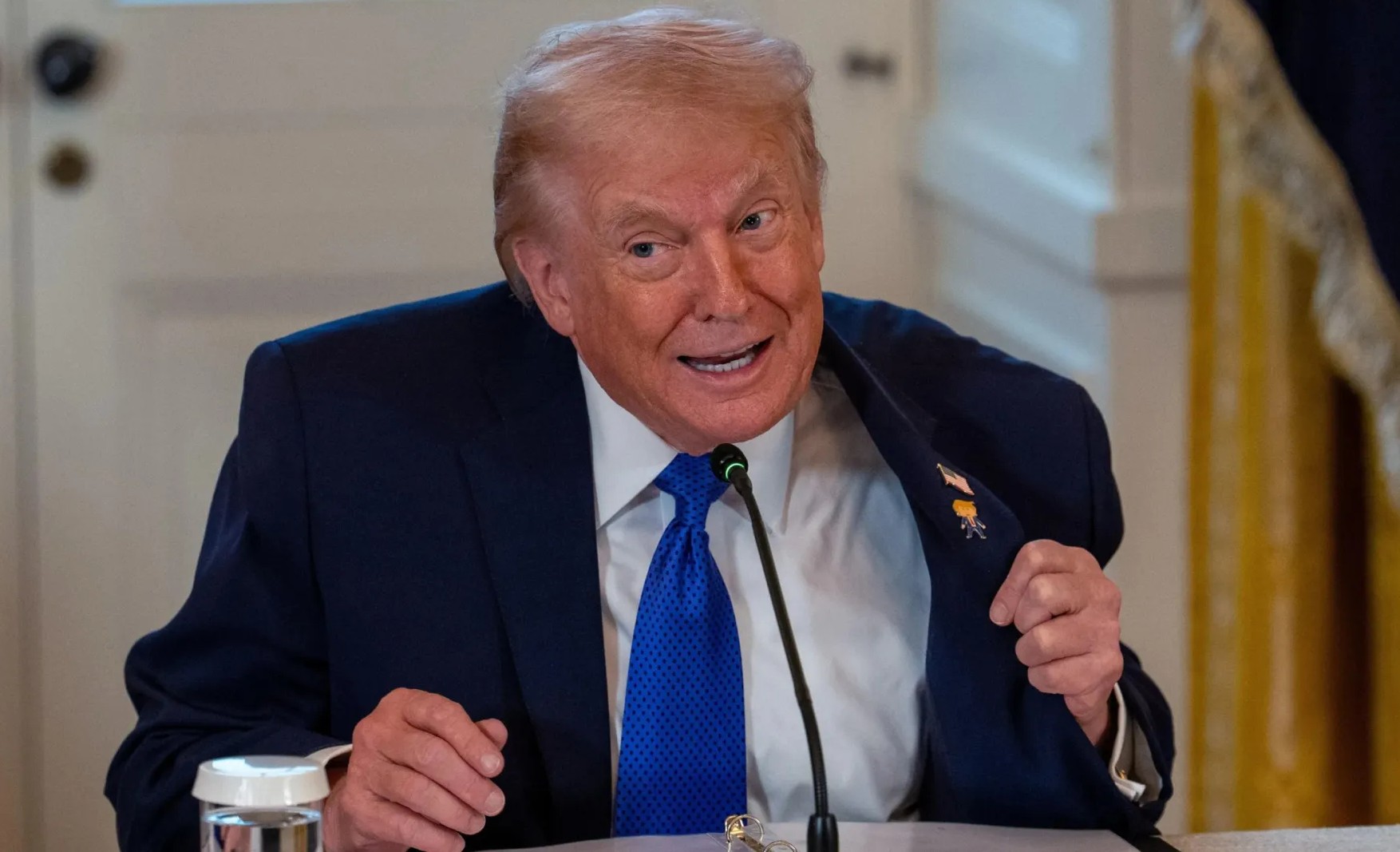
U.S. President Donald Trump has ignited global debate following a series of provocative remarks about Greenland and Iran during a high-profile meeting with oil industry executives. The comments, delivered in front of top business leaders, underscore Trump’s confrontational approach to foreign policy and signal a potential shift in U.S. engagement with international partners.
Trump’s statements included warnings about Greenland’s strategic importance and Iran’s role in regional conflicts, drawing sharp reactions from diplomats, analysts, and world leaders. Observers noted that his remarks reflect a continuation of Trump’s characteristic hardline rhetoric, emphasizing American interests and a willingness to challenge established norms in global politics. Critics argue that such statements risk escalating tensions and undermining efforts toward diplomatic resolution.
The former president framed his comments around economic and security concerns, suggesting that Greenland’s resources and location hold critical significance for U.S. strategic interests. Regarding Iran, Trump reiterated warnings about the country’s nuclear ambitions and regional influence, highlighting ongoing disputes over energy, trade, and military posturing. His statements come amid broader debates about the United States’ role on the world stage and its commitments to multilateral agreements.
Responses to Trump’s remarks were immediate and polarized. Supporters praised his assertive stance, viewing it as a necessary demonstration of American strength and leadership. Critics, however, warned that the rhetoric could destabilize already fragile international relations and provoke tension with allies and adversaries alike. International media outlets highlighted the unusual setting of the remarks—a private meeting with industry executives—raising questions about the blending of economic interests and foreign policy messaging.
Political analysts suggest that Trump’s comments are part of a broader effort to project influence on foreign policy without holding formal office, leveraging his public platform and relationships within the energy sector. Experts note that such rhetoric can have far-reaching consequences, shaping international perceptions of U.S. intentions and affecting negotiations on security, trade, and diplomacy.
As the global community reacts to the former president’s statements, attention is now focused on potential diplomatic fallout and how current U.S. officials will respond. Trump’s remarks on Greenland and Iran reaffirm his continued prominence in international political discourse, highlighting the tension between assertive rhetoric and the delicate balance required in global diplomacy.
The controversy underscores the complex interplay between politics, economics, and international strategy, raising questions about how bold statements by high-profile figures can shape world events and influence public opinion at home and abroad.