








Middle East on High Alert as U.S. Military Buildup Near Iran Sparks Fears of Wider Conflict
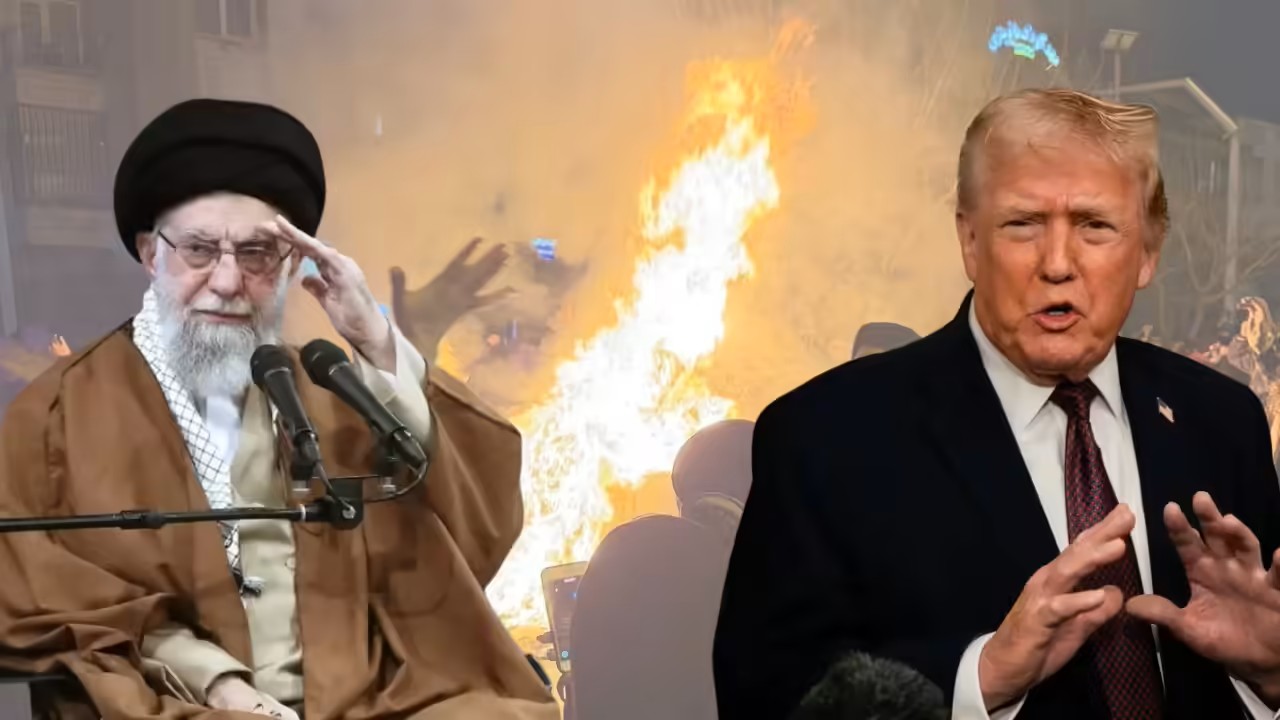
The Middle East is on edge as the United States ramps up its military presence near Iran, raising fears of a broader regional conflict. The U.S. has deployed the USS Abraham Lincoln aircraft carrier strike group, along with additional naval and air assets, to waters near Iran. Officials say the deployment is intended as a deterrent amid rising tensions over Tehran’s internal unrest and its nuclear program.
President Donald Trump described the deployment as a “massive armada” and warned that Iran must return to negotiations or risk serious consequences. The U.S. insists that the force is meant to protect regional stability, but the move has sparked international concern about the potential for escalation.
Iran has condemned the deployment, rejecting any talks conducted under threat. Iranian officials warned that military action would provoke a strong response, emphasizing their right to defend national sovereignty. The country continues to face domestic protests over economic hardships, which have been met with a harsh government crackdown, adding to instability.
Regional powers have reacted cautiously. Gulf states, including Saudi Arabia and the United Arab Emirates, have publicly refused to allow the U.S. to use their territory for potential strikes, highlighting the delicate balance of diplomacy in the region. Analysts warn that any misstep could quickly escalate into wider conflict, affecting global markets and energy supplies.
As tensions rise, the international community is closely monitoring developments. With military posturing and high-stakes diplomacy unfolding simultaneously, the Middle East faces one of its most precarious moments in recent years, and experts warn that careful negotiation will be essential to prevent an escalation that could have far-reaching consequences.