









Gen Z Uprising Forces Nepal into Historic Election as Youth Demand Change
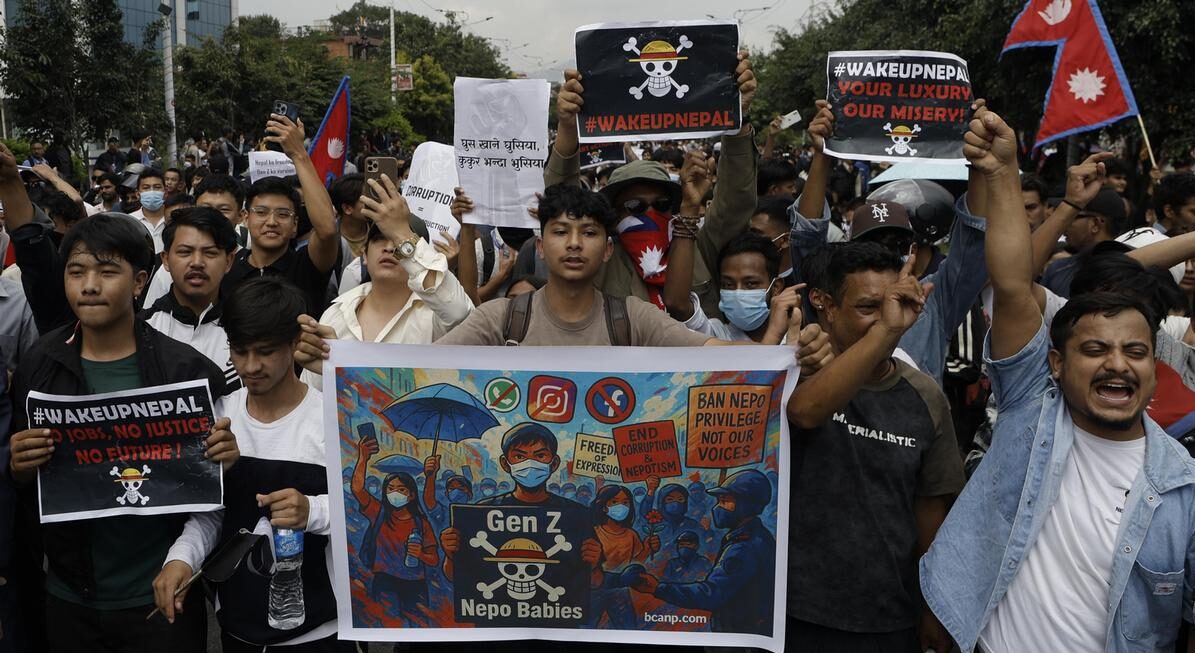
Nepal is going to the polls today in a historic election, largely driven by widespread protests led by the country’s young generation. Students and Gen Z activists have taken to the streets across major cities such as Kathmandu, Pokhara, and Biratnagar, demanding political reform, transparency, and accountability. Their relentless campaigns and demonstrations have pressured the government to call elections earlier than planned, highlighting the unprecedented influence of youth movements in shaping national politics.
The youth-led uprising has focused on pressing issues including corruption, unemployment, climate change, education, and limited economic opportunities for young citizens. Social media platforms have become central to organizing protests, spreading awareness, and amplifying their demands to reach millions of Nepalis. Hashtags, viral campaigns, and online petitions have complemented street demonstrations, capturing the attention of political leaders and the broader public alike.
Major political parties, including the Nepal Communist Party and the Nepali Congress, are competing to secure control of the parliament, while smaller, youth-focused parties are gaining momentum by directly addressing the demands raised by protesters. Analysts believe the results could reshape Nepal’s political landscape, giving young citizens a tangible voice in government policy and the direction of the nation. The election is seen as a litmus test for the country’s democracy, with the youth’s influence challenging traditional power structures.
Security forces have been deployed nationwide to maintain order and ensure safe voting amid the ongoing protests. Despite logistical challenges in remote and mountainous regions, early reports suggest strong voter turnout, particularly among first-time voters who actively participated in demonstrations. Their engagement underscores a widespread desire for reform and tangible change in governance.
Campaigns in the run-up to the election have emphasized economic reform, anti-corruption initiatives, healthcare, education, infrastructure, and foreign policy, particularly Nepal’s relations with India and China. Observers note that a stable government could accelerate development projects, attract foreign investment, and strengthen Nepal’s role in regional politics.
Forming a coalition government remains a challenge given Nepal’s multi-party system, and post-election negotiations are expected to hinge heavily on parties that can respond to the priorities of Gen Z and other youth groups. As vote counting begins, the nation watches closely to see whether the youth-led uprising will translate into meaningful political change, reflecting a new era where the activism of younger generations can determine the fate of the country.