







Pressure Mounts on UK Prime Minister Keir Starmer After Labour Suffers Heavy Local Election Losses
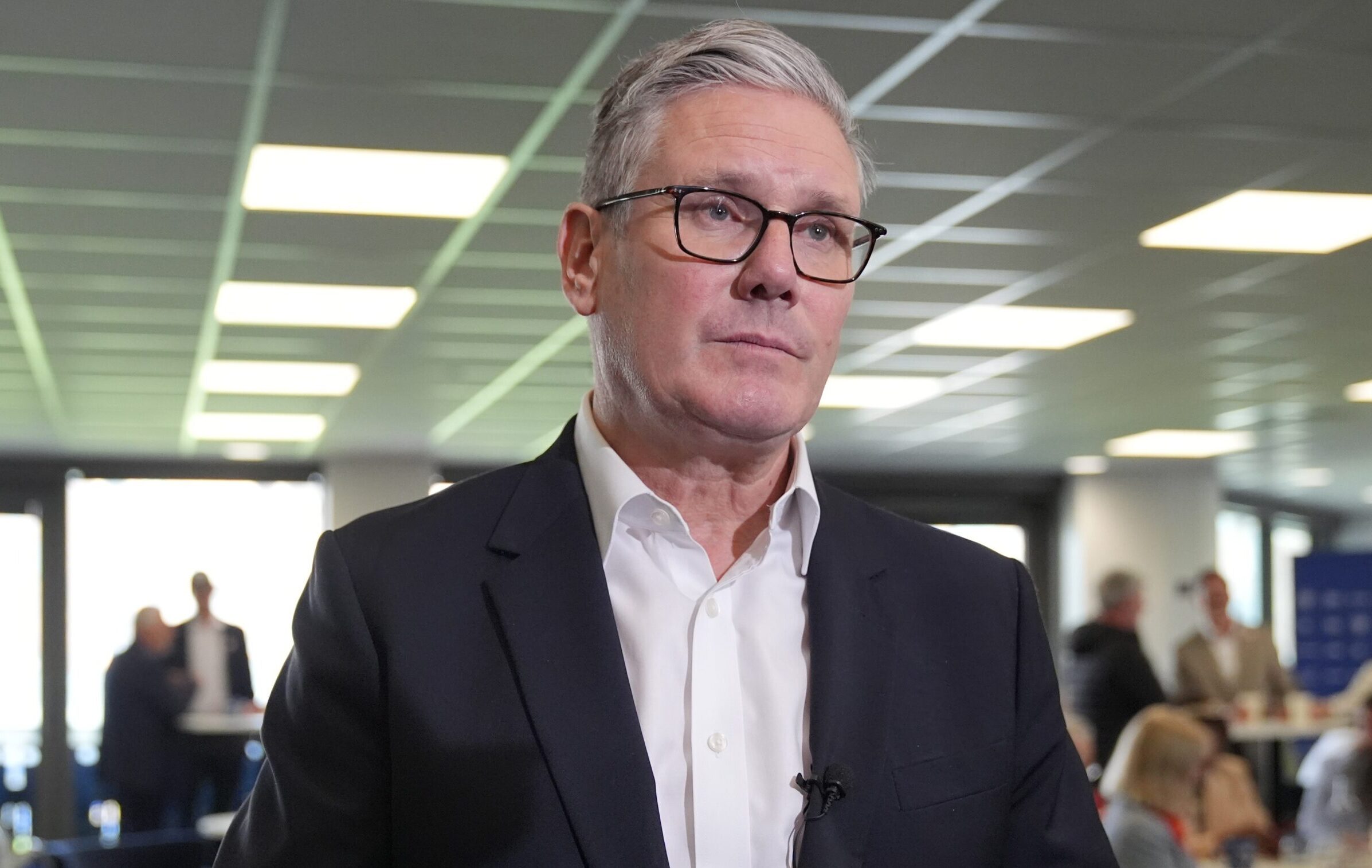
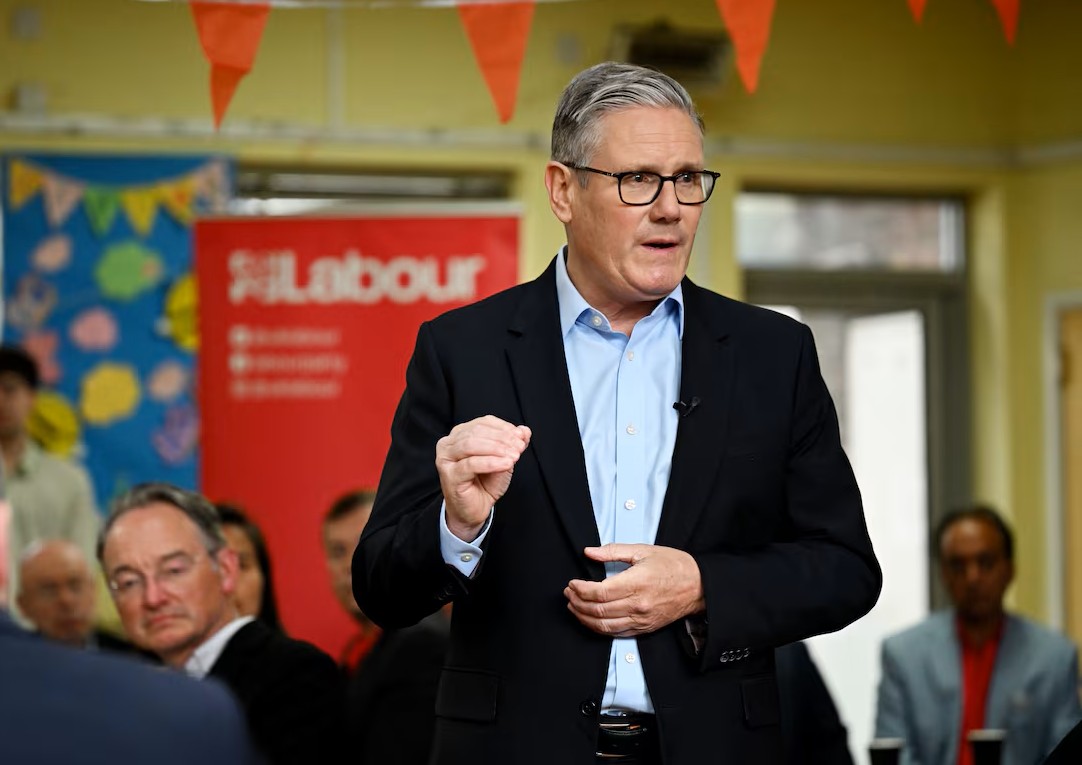
British Prime Minister Keir Starmer is facing growing political pressure after the Labour Party suffered major setbacks in local elections across England, triggering fresh questions about his leadership and the party’s future direction ahead of the next general election.
The disappointing results saw Labour lose key councils and support in several traditional strongholds, while rival parties including Reform UK and the Conservatives made unexpected gains. Political analysts described the outcome as a serious warning sign for Starmer, whose government has faced mounting criticism over economic challenges, immigration concerns, and public dissatisfaction with rising living costs.
Senior members within Labour are reportedly becoming increasingly concerned about the party’s declining popularity only months after returning to power. Some lawmakers are said to be privately urging the leadership to rethink its political strategy as frustration grows among party supporters who expected stronger performance at the local level.
The election losses have intensified calls from political opponents and critics for Starmer to take responsibility for Labour’s poor showing. Opposition leaders argued that the results reflect voter disappointment with the government’s handling of domestic issues, including healthcare pressures, taxation, housing affordability, and slowing economic growth.
Reform UK emerged as one of the biggest winners in several areas, capitalizing on public anger over immigration and dissatisfaction with mainstream political parties. The rise of smaller parties has also highlighted a shifting political landscape in Britain, where traditional voting patterns are increasingly breaking down.
Despite the backlash, Starmer defended his leadership and insisted the government remains focused on delivering long-term reforms. Speaking after the election results, he acknowledged voter frustrations but pledged to continue working on improving public services and economic stability.
Political observers say the coming months could prove critical for Starmer as he attempts to rebuild public confidence and unite his party following the damaging election outcome. Internal tensions within Labour may increase if polling numbers continue to weaken, particularly with growing pressure from opposition parties eager to capitalize on the government’s struggles.
The local election results are expected to reshape political debate across the United Kingdom, with analysts warning that dissatisfaction among voters could significantly influence national politics in the lead-up to future parliamentary contests.