










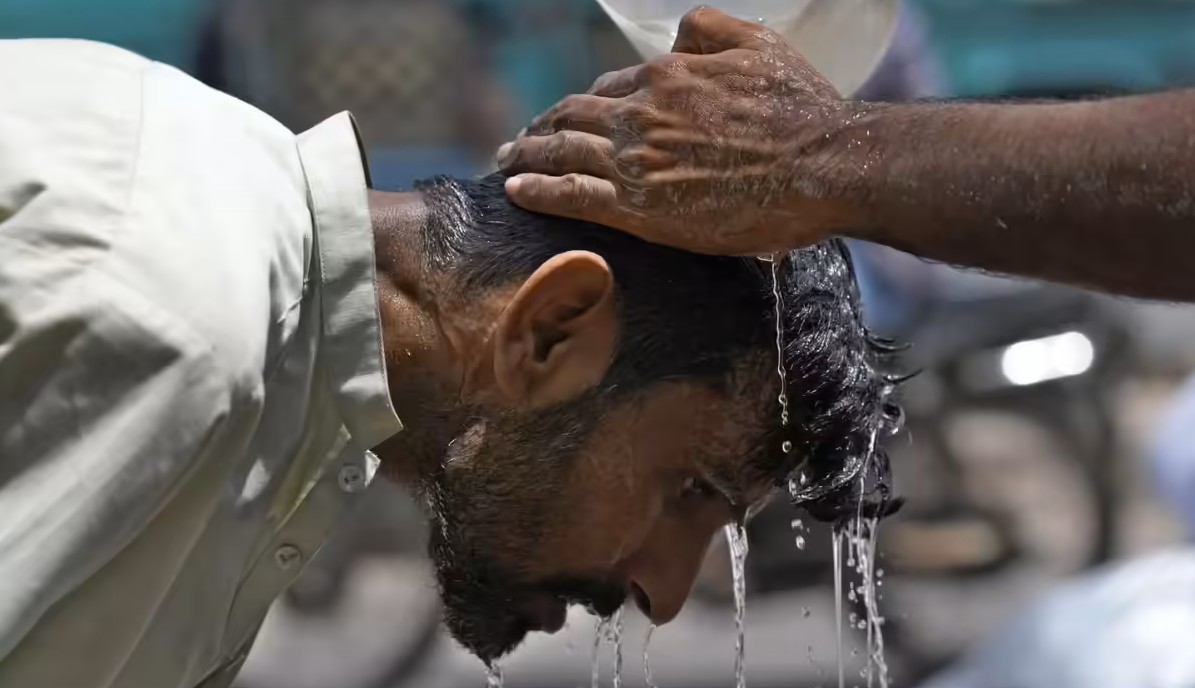
‘A Calamity’: Record Heatwave Grips South Asia as Temperatures Near 45°C
A severe and prolonged heatwave is sweeping across South Asia, pushing temperatures to dangerous levels in countries including India, Pakistan, and Bangladesh, where several regions are now experiencing extreme heat well above seasonal averages. In some areas, temperatures have approached or even exceeded 45°C, raising serious concerns for public health, agriculture, and energy systems.
Meteorologists say the current conditions are being driven by a combination of climate change, delayed monsoon patterns, and persistent high-pressure systems trapping hot air over the region. These factors have created a dome-like effect, preventing cooler air from moving in and intensifying surface temperatures across large parts of the subcontinent.
In India, many northern and central states have reported heatwave alerts, with hospitals seeing a rise in cases of dehydration, heatstroke, and exhaustion. Authorities have urged residents to avoid outdoor activities during peak afternoon hours and to stay hydrated as electricity demand surges due to heavy use of cooling systems.
In Pakistan, several cities have also recorded unusually high temperatures, placing additional strain on already stressed power grids. Officials have warned of possible outages as energy consumption spikes, particularly in densely populated urban areas where access to cooling remains limited.
Meanwhile, Bangladesh is facing similar conditions, with rising temperatures affecting both urban populations and rural farming communities. Agricultural experts are particularly concerned about crop stress, water shortages, and the long-term impact on food production if the heatwave persists.
Climate scientists have described the situation as part of a broader trend of increasing extreme weather events in South Asia, where rising global temperatures are making heatwaves more frequent, intense, and longer-lasting. They warn that such events are no longer isolated anomalies but indicators of a shifting climate pattern.
Health officials across the region have issued public advisories, urging vulnerable groups such as the elderly, children, and outdoor workers to take extra precautions. Temporary cooling centers, emergency medical response units, and public awareness campaigns have been activated in several cities.
As the heatwave continues, governments are under pressure to strengthen long-term climate adaptation strategies, including improved urban planning, heat-resilient infrastructure, and better early warning systems to reduce the impact of future extreme heat events.