


Russia Marks WWII Victory Day With Scaled-Back Parade Amid Ongoing Ukraine War Tensions
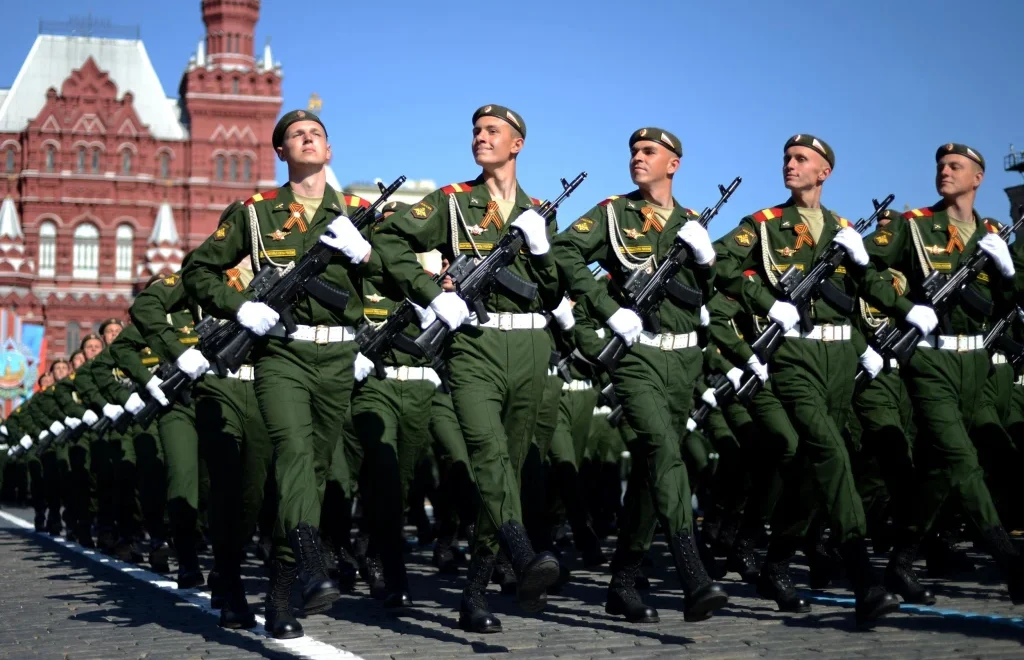
Russia has held a significantly scaled-back military parade to commemorate Victory Day, marking the Soviet Union’s triumph over Nazi Germany in World War II, as the country continues to face international isolation and mounting pressure over its ongoing war in Ukraine.
The annual ceremony, traditionally one of the most prominent displays of military power in the world, appeared noticeably restrained this year, with fewer troops, reduced equipment displays, and a more subdued public atmosphere compared to previous celebrations. The event took place in Moscow’s Red Square, where President Vladimir Putin addressed the nation amid heightened security concerns and global scrutiny.
The reduced scale of the parade comes as Russia continues its prolonged conflict in Ukraine, which has reshaped its military priorities, strained resources, and intensified Western sanctions. Analysts say the toned-down celebration reflects both practical wartime limitations and a strategic effort to maintain national morale without projecting excessive vulnerability.
Despite the adjustments, the parade still featured key elements of Russia’s military tradition, including marching units, historical tributes, and displays honoring veterans of the Second World War, known in Russia as the Great Patriotic War. Military aircraft flyovers were limited, and some of the usual heavy armored vehicle showcases were absent or reduced in number.
President Putin used the occasion to emphasize national unity and resilience, linking the sacrifices of World War II to Russia’s current geopolitical challenges. He framed the country’s actions in Ukraine as part of a broader struggle for security and sovereignty, reinforcing long-standing narratives used by the Kremlin in public messaging.
However, the global context surrounding this year’s event was markedly different, with ongoing fighting in Ukraine continuing to dominate international headlines. Western governments and allies have maintained sanctions on Russia, while military aid to Ukraine remains a central point of geopolitical tension.
Observers note that the contrast between past large-scale Victory Day parades and this year’s more restrained event highlights the growing impact of the conflict on Russia’s domestic and international posture. While the ceremony still serves as a powerful symbol of national pride, it also reflects the realities of a country deeply engaged in a costly and protracted war.
As Russia navigates its current military and economic pressures, the scaled-back parade stands as both a reminder of historical victory and a reflection of present-day challenges shaping the nation’s future trajectory.