








Arabic Coffee Culture: A Timeless Tradition of Hospitality and Connection
Arabic coffee culture is one of the most deeply rooted and respected traditions in the Arab world, symbolizing hospitality, generosity, and social connection. Known locally as “Gahwa” or “Qahwa,” Arabic coffee is more than just a beverage it is a cultural ritual that has been passed down through generations and remains an essential part of daily life and special occasions across the Middle East.
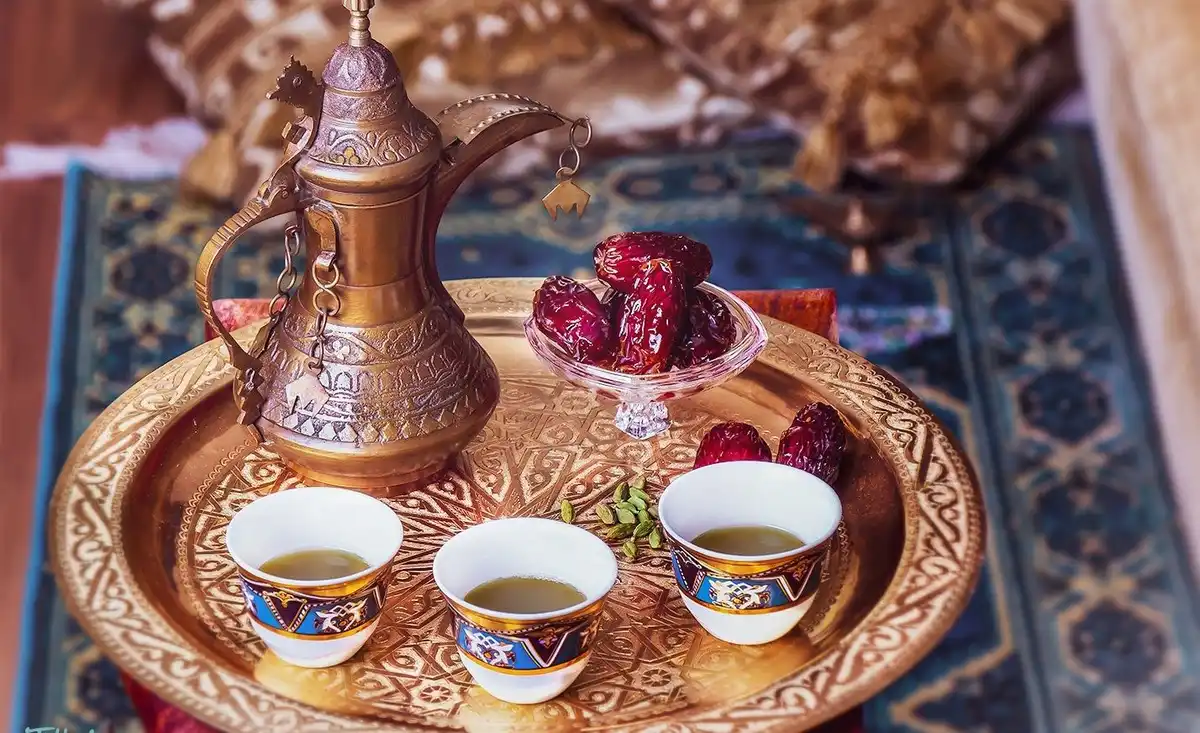
Traditionally, Arabic coffee is made from lightly roasted coffee beans, often flavored with cardamom and sometimes enhanced with spices such as saffron or cloves. It is served in small, handleless cups called “finjan,” and is usually accompanied by dates or sweets. Unlike Western coffee culture, Arabic coffee is not meant to be consumed quickly; instead, it is offered slowly and respectfully, reflecting the values of patience and hospitality.
One of the most important aspects of Arabic coffee culture is its role in welcoming guests. Serving coffee is considered a sign of honor and respect. In many households, the host personally prepares and serves coffee to guests, often beginning with the eldest or most respected person in the room. It is customary to serve at least one cup, but guests may be offered multiple servings as a gesture of generosity.
The preparation and serving process itself carries symbolic meaning. The coffee is often brewed in a traditional pot called a “dallah,” and the server holds the pot in the left hand while pouring with the right, demonstrating etiquette and tradition. The amount of coffee poured is usually small, as cups are refilled frequently, encouraging conversation and social bonding.
Arabic coffee culture also plays a significant role in ceremonies, business meetings, and social gatherings. It is commonly served during weddings, religious holidays, and important family events, reinforcing community ties and cultural identity. In Bedouin traditions, coffee ceremonies were historically used to settle disputes, welcome travelers, and build alliances between tribes.
In modern times, while global coffee chains have become popular across the Arab world, traditional Arabic coffee remains a powerful symbol of heritage. Many families continue to preserve the ritual, ensuring that younger generations understand its cultural importance.
Recognized by UNESCO as an Intangible Cultural Heritage of Humanity, Arabic coffee culture represents more than a drink—it reflects values of respect, generosity, and human connection that continue to define Arab society today.