





U.S. Launches Strikes on Iranian Targets After Commercial Tanker Attack, Oil Prices Slide Below $70
The United States launched military strikes against Iranian targets following an attack on a commercial oil tanker near the Strait of Hormuz, sharply escalating tensions in one of the world’s most strategically important maritime regions. The latest developments have raised concerns over regional stability even as global oil markets reacted with renewed price declines.
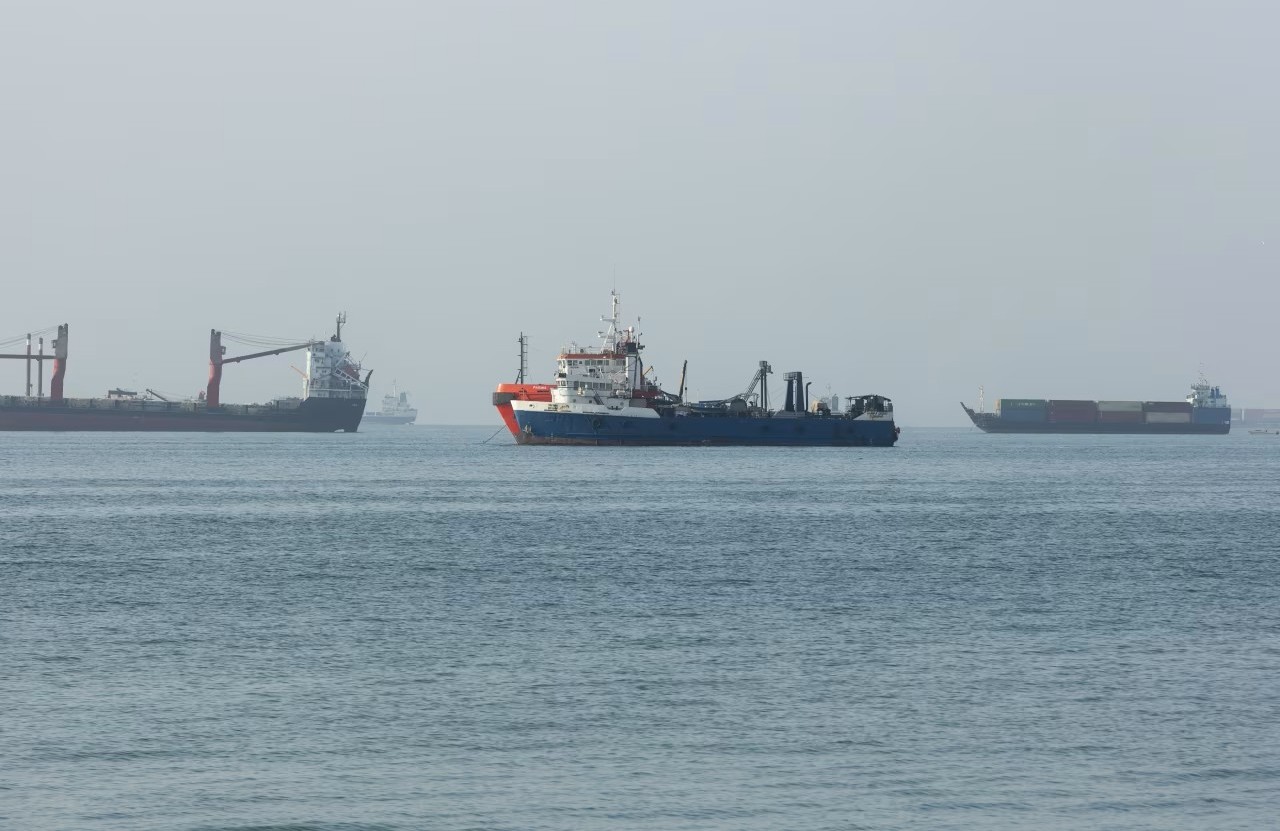
According to U.S. officials, the military operation targeted facilities believed to be linked to Iran’s military infrastructure after Washington blamed Tehran for the attack on the commercial cargo vessel near the coast of Oman. The incident reportedly damaged the tanker and disrupted shipping traffic, although authorities have not released detailed information regarding casualties or the extent of the damage.
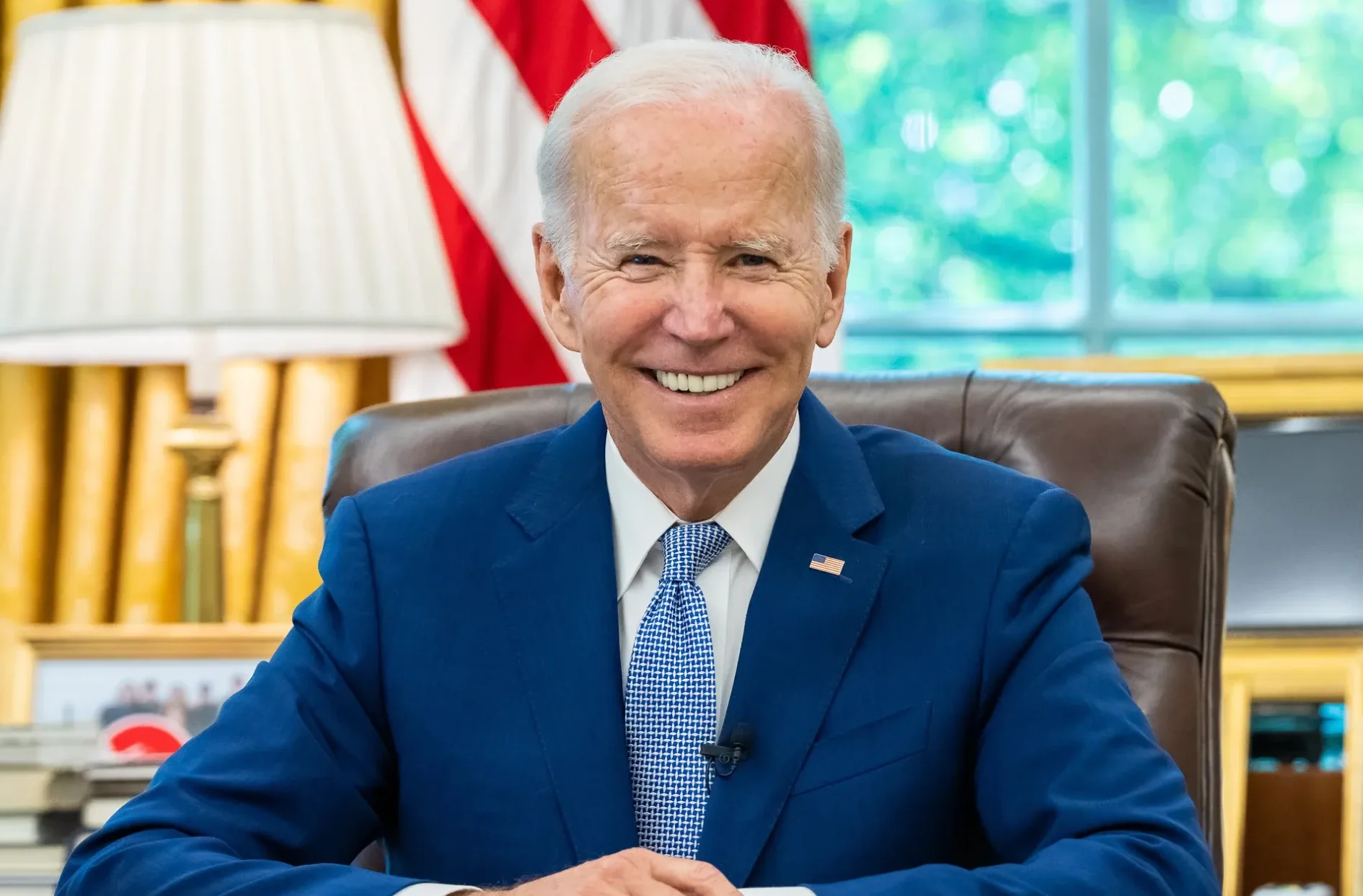
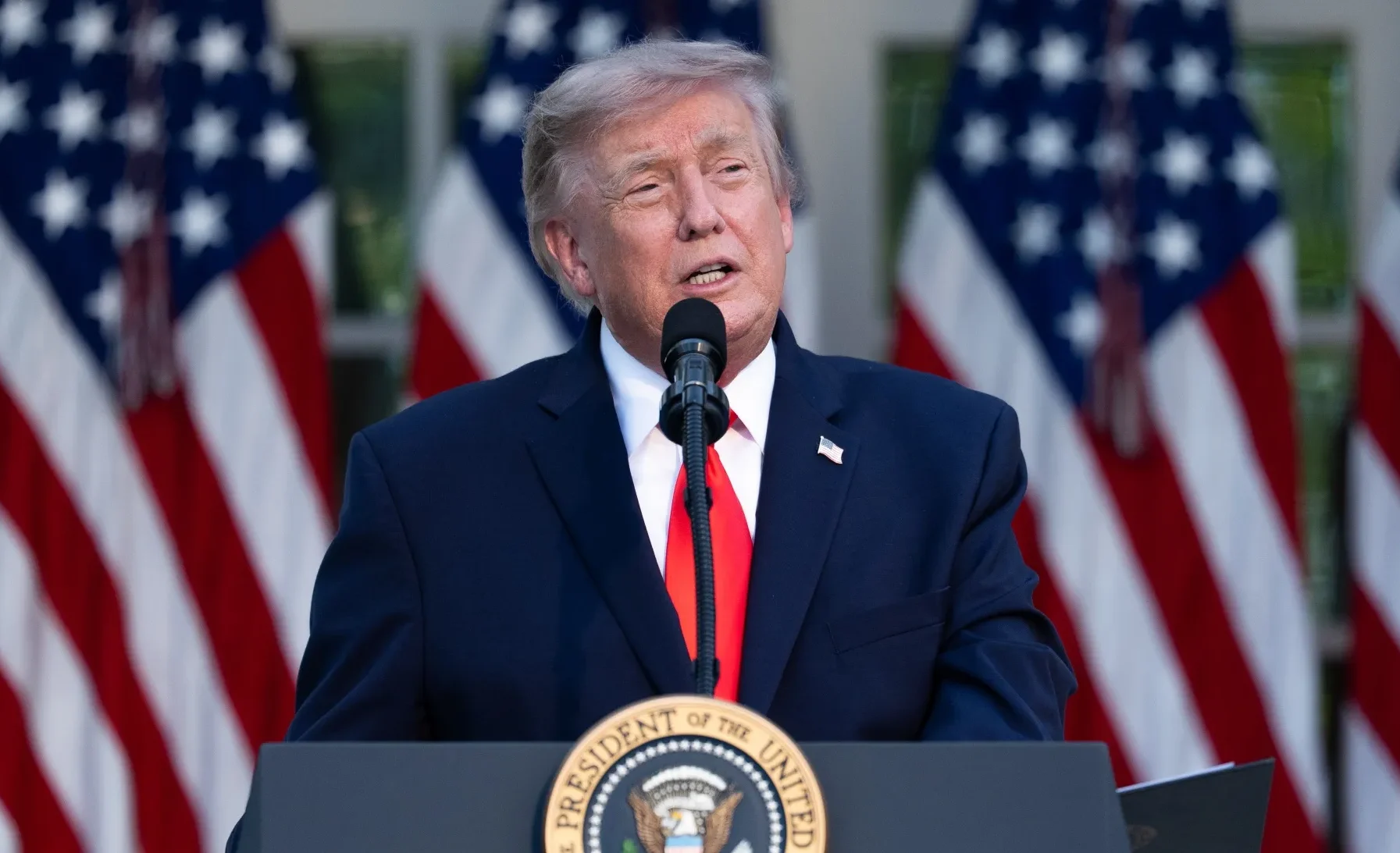
U.S. President Donald Trump condemned the reported attack, describing it as a threat to international commerce and maritime security. He warned that the United States would continue taking military action if commercial shipping in the Strait of Hormuz remained under threat. American officials said the strikes were intended to reduce Iran’s capability to carry out further attacks against vessels operating in the region.
At the time of reporting, Iranian authorities had not issued a comprehensive official response to the latest U.S. military action or the allegations surrounding the tanker attack. The absence of an immediate response has left international observers closely monitoring developments for signs of further escalation.
The Strait of Hormuz remains one of the world’s busiest energy corridors, carrying a significant share of global crude oil and liquefied natural gas exports. Any disruption to shipping through the narrow waterway can have far-reaching consequences for energy supplies, insurance costs, and international trade.
Despite the heightened geopolitical tensions, U.S. crude oil prices fell below $70 per barrel, extending earlier losses. Market analysts said investors appeared to focus on expectations of stable global supply and ample production, outweighing immediate concerns about potential disruptions in the Gulf. Some traders also noted that markets may be waiting for clearer evidence of any sustained impact on oil exports before pricing in a significant risk premium.
Governments across the region and international shipping companies are closely watching the situation as naval forces increase security patrols around key shipping lanes. Several countries have urged restraint and called for diplomatic efforts to prevent further escalation that could threaten one of the world’s most critical trade routes.
Analysts caution that while financial markets have remained relatively calm, any prolonged conflict or additional attacks on commercial vessels could quickly alter the outlook for global energy markets and regional security, making the coming days crucial for both diplomacy and international commerce.