








UK Business and Policy Shift as Government Plans Capped Asylum Sponsorship Routes
The Home Office has announced plans to introduce new “capped safe and legal” routes for asylum seekers to enter the UK later this year, in a significant policy shift aimed at reshaping how refugees are admitted and supported.
Under the proposed system, organisations including universities, community groups, and businesses would be able to sponsor refugees seeking entry to the United Kingdom. The approach is modelled on Canada’s community sponsorship system, where private and public institutions play a direct role in supporting resettled individuals as they integrate into society.
Alongside the new route, the government also confirmed it will press ahead with reforms to how human rights and modern slavery legislation are applied in asylum cases. Officials say the changes are intended to prevent what they describe as “vexatious” claims and to streamline decision-making processes within the immigration system.
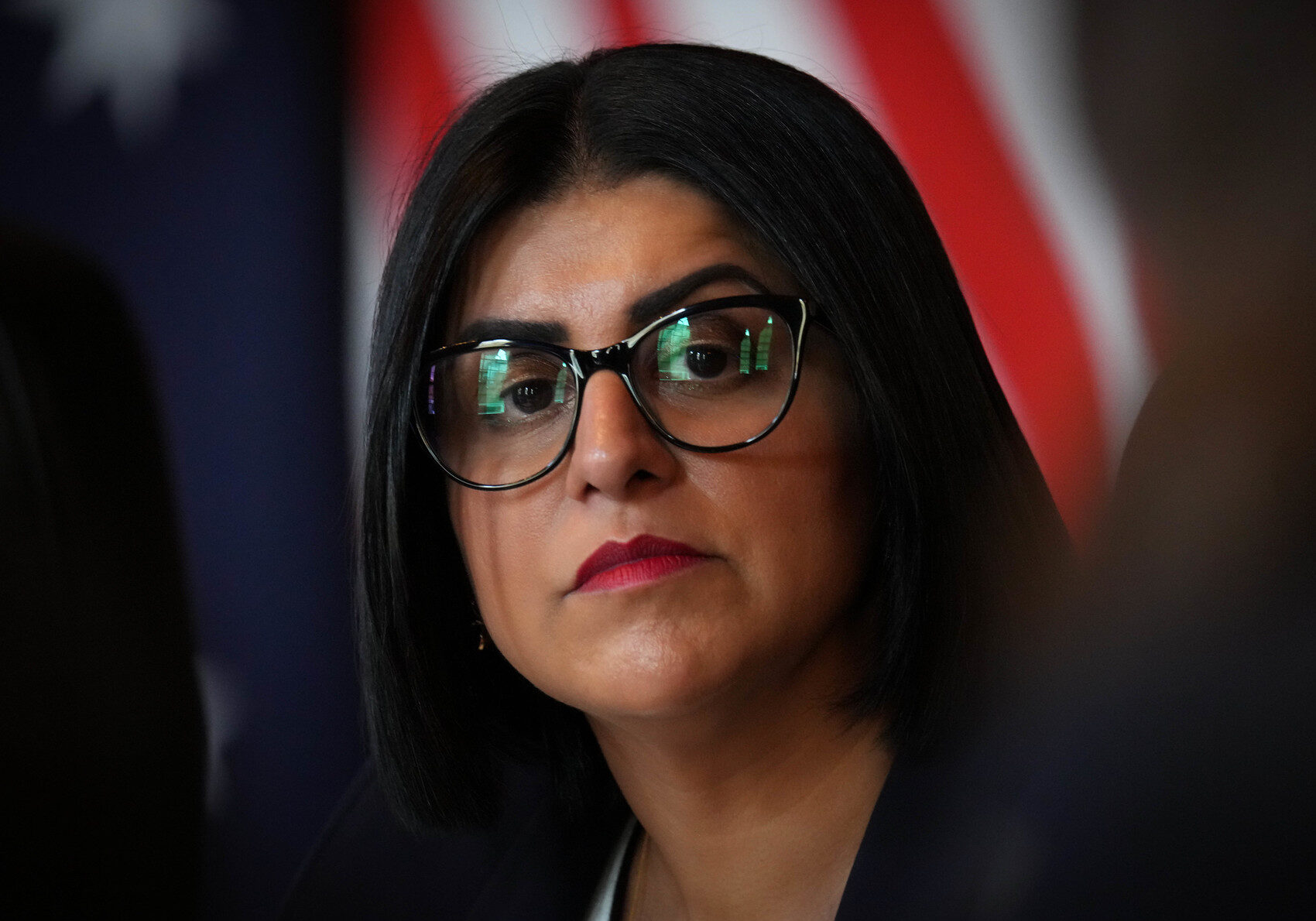
Home Secretary Shabana Mahmood said the reforms are designed to strike a balance between compassion and control, arguing that the system must protect genuine refugees while ensuring public confidence in immigration policy. She stated that Britain has a long tradition of offering sanctuary to those fleeing war and persecution, but stressed that this system depends on being “fair, controlled, and not open to abuse.”
The proposals are expected to form part of a wider immigration bill due to be presented in Parliament next week. The legislation is likely to face political debate, with opposition parties expressing concern over the direction of the reforms.
The Conservative Party has argued that no additional migrants should be admitted until illegal immigration is brought under control, warning that expanding legal routes without stricter enforcement could increase pressure on border systems.
The announcement comes at a politically sensitive moment, as the government seeks to strengthen its position on immigration policy while addressing public concerns over border security and asylum processing delays. The reforms are also expected to spark discussion within the ruling party, where some members have raised questions about the balance between stricter enforcement measures and humanitarian obligations.
As the bill moves toward parliamentary debate, the government faces the challenge of securing support while maintaining its stated commitment to protecting vulnerable refugees through more structured and regulated pathways into the UK.