






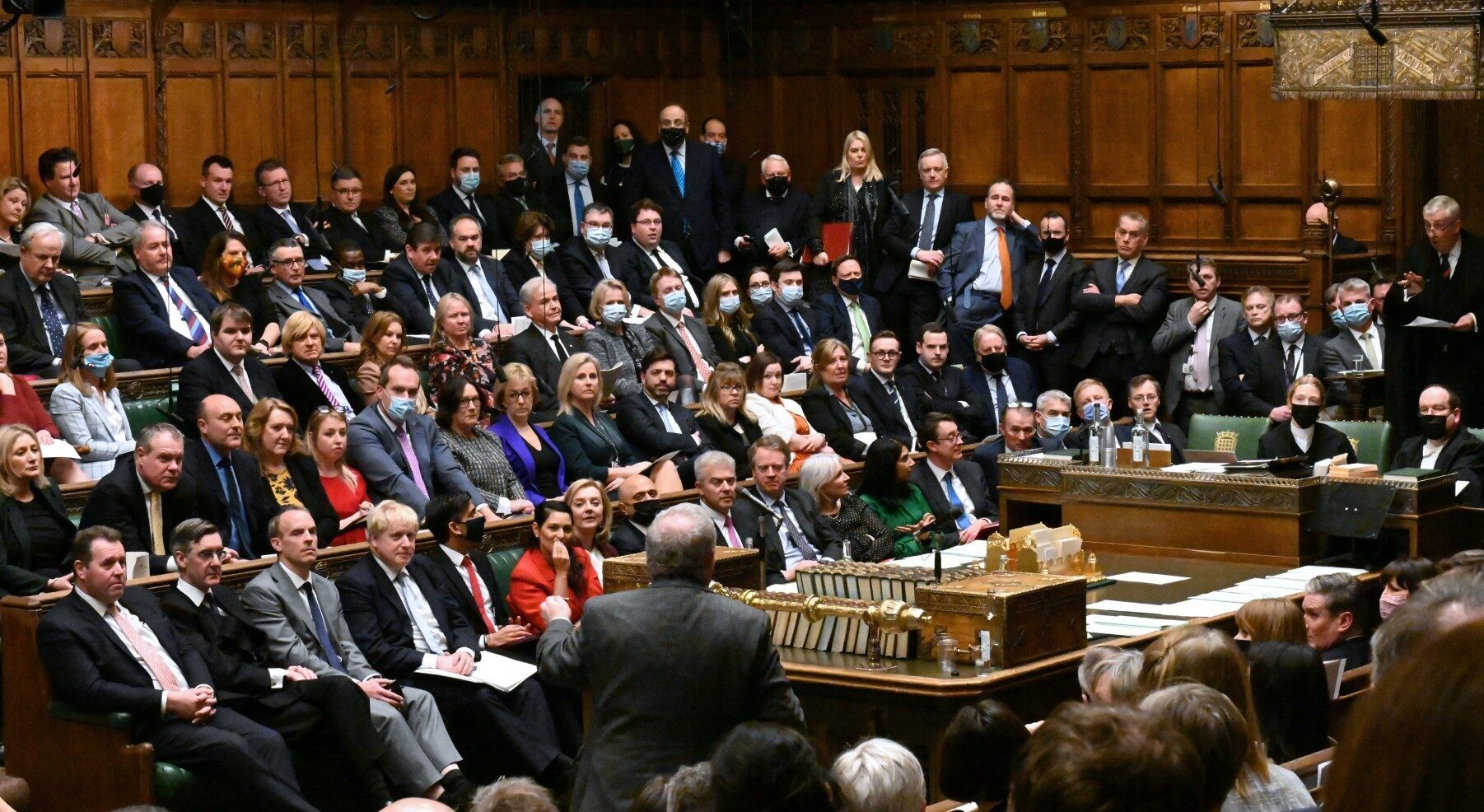
Political Controversy Erupts in UK Parliament Over Diplomatic Appointment Probe
A major political confrontation has unfolded in the United Kingdom Parliament after opposition parties attempted to launch an official investigation into a controversial diplomatic appointment. The move triggered intense debate in Westminster, exposing growing tensions between the government and opposition forces.
The controversy centers around claims that proper procedures may not have been fully followed during the appointment process of a senior diplomatic position. Opposition lawmakers argued that the matter required deeper scrutiny to ensure transparency and accountability in government decisions. They pushed for the formation of a parliamentary inquiry to examine whether any rules were bypassed or whether misleading information had been presented to lawmakers.
However, the motion was ultimately defeated in a parliamentary vote, as the ruling party used its majority to block the proposed investigation. Government representatives dismissed the proposal, describing it as politically motivated and aimed at creating instability ahead of upcoming political events and elections.
Despite the defeat of the motion, the issue has not been politically resolved. Instead, it has led to visible internal friction within the governing party itself. Reports suggest that several members of the ruling party expressed discomfort over the handling of the situation, while a small number even distanced themselves from the official party line during the vote. This has highlighted underlying divisions and raised questions about unity within the government ranks.
Opposition leaders, meanwhile, criticized the decision to block the inquiry, arguing that it weakens public trust in democratic institutions. They insisted that transparency should not be viewed as a political weapon but as a necessary part of governance, especially when questions of accountability arise.
Political analysts note that this episode reflects a broader trend of increasing polarization within UK politics, where even procedural parliamentary matters are becoming highly contested. The dispute also underscores the growing importance of public perception, as both sides attempt to frame the narrative around integrity, governance, and accountability.
While the motion has been defeated, the debate is expected to continue in committees and media discussions, keeping pressure on the government. The situation has added another layer of complexity to an already tense political environment in Westminster, where leadership stability and party discipline are increasingly being tested.