







Security Incident Fuels Conspiracy Theories, Exposes Deep Political Divisions in the United States
A recent security incident at a major political event in the United States has once again brought the country’s deep political divisions into sharp focus. While authorities continue to investigate the situation, the public reaction has rapidly shifted from concern to speculation, with conspiracy theories spreading widely across digital platforms.
In the hours following the incident, multiple unverified claims began circulating online. Different political groups interpreted the event in ways that aligned with their existing beliefs, creating parallel narratives rather than a shared understanding of what actually happened. This pattern has become increasingly common, where facts take time to emerge, but opinions form almost instantly.
The speed at which conspiracy theories spread highlights a broader issue: declining trust in institutions. Many people no longer rely solely on official statements from government agencies or mainstream media. Instead, they turn to alternative sources, influencers, or social networks, where information is often less regulated and more emotionally charged. As a result, misinformation can gain traction quickly, even without credible evidence.
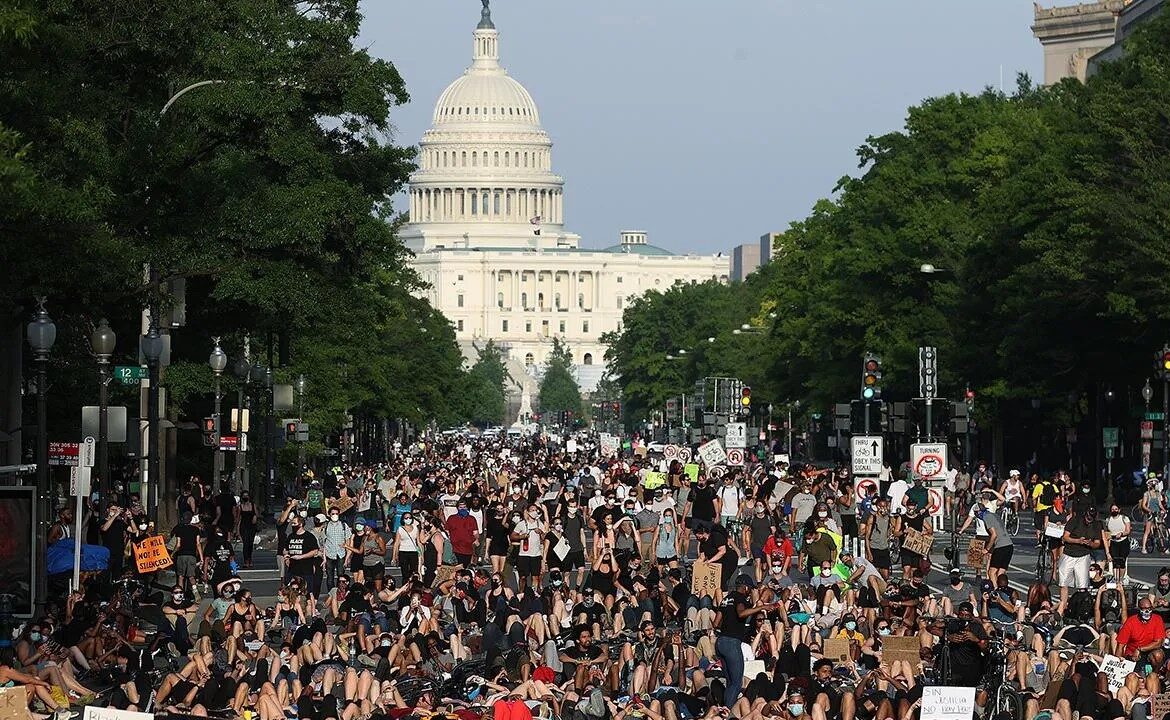
This environment is closely tied to the country’s growing political polarization. Over the years, ideological divides have deepened, making it harder for citizens to agree on basic facts. Events like this are not viewed in isolation; they are filtered through political identity. For some, the incident may signal a failure of security systems, while for others, it becomes proof of a larger hidden agenda. The truth, meanwhile, struggles to remain central in the conversation.
Leaders now face a dual challenge. On one hand, they must ensure a thorough and transparent investigation into the incident. On the other, they must address the information crisis that follows such events. Clear and timely communication is critical, but even that may not be enough in a climate where skepticism is already deeply rooted.
The implications go beyond a single event. When conspiracy theories dominate public discourse, they can weaken democratic institutions by eroding trust in elections, governance, and the rule of law. They also make it more difficult for policymakers to build consensus or respond effectively to crises.
What this moment reveals is not just a reaction to a security incident, but a deeper structural issue within American society. Trust, once a stabilizing force, is increasingly fragmented. Until that trust is rebuilt, similar incidents are likely to continue triggering not just concern, but confusion, division, and competing realities.