





UAE Exits OPEC, Sending Shockwaves Through Global Oil Markets
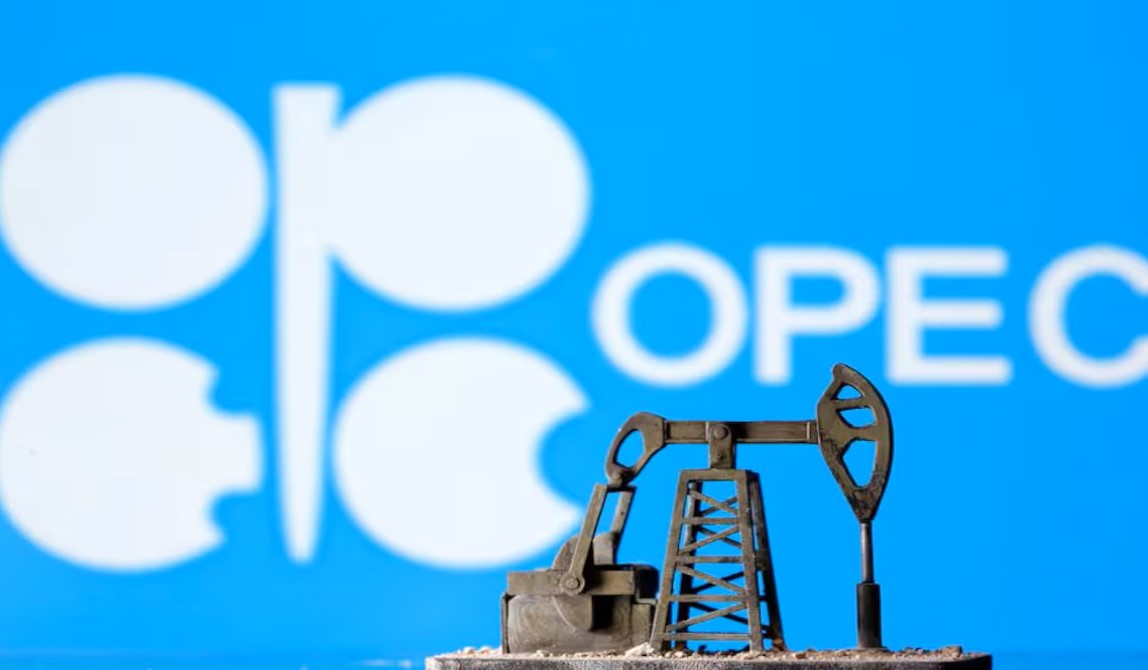
In a move that has rattled the global energy landscape, the United Arab Emirates has announced its decision to exit the Organization of the Petroleum Exporting Countries, marking a pivotal shift in the dynamics of oil production and pricing. The announcement has already had an immediate impact on global markets, with crude oil prices surging to around $110 per barrel amid growing uncertainty about future supply.
The departure of the UAE from OPEC is significant not only because of its role as a major oil producer but also because of the influence it held within the group. For decades, OPEC has functioned as a coordinated body that regulates oil output among member countries in order to stabilize prices and manage supply. The UAE’s exit raises questions about how cohesive the organization can remain moving forward and whether other member nations might consider similar steps.
Market reactions were swift. Traders responded to the news with heightened volatility, pushing oil prices upward as fears of supply fragmentation took hold. Without the UAE adhering to OPEC’s production quotas, there is increased uncertainty about how much oil will enter the market and under what conditions. This unpredictability is a key factor behind the recent price spike.
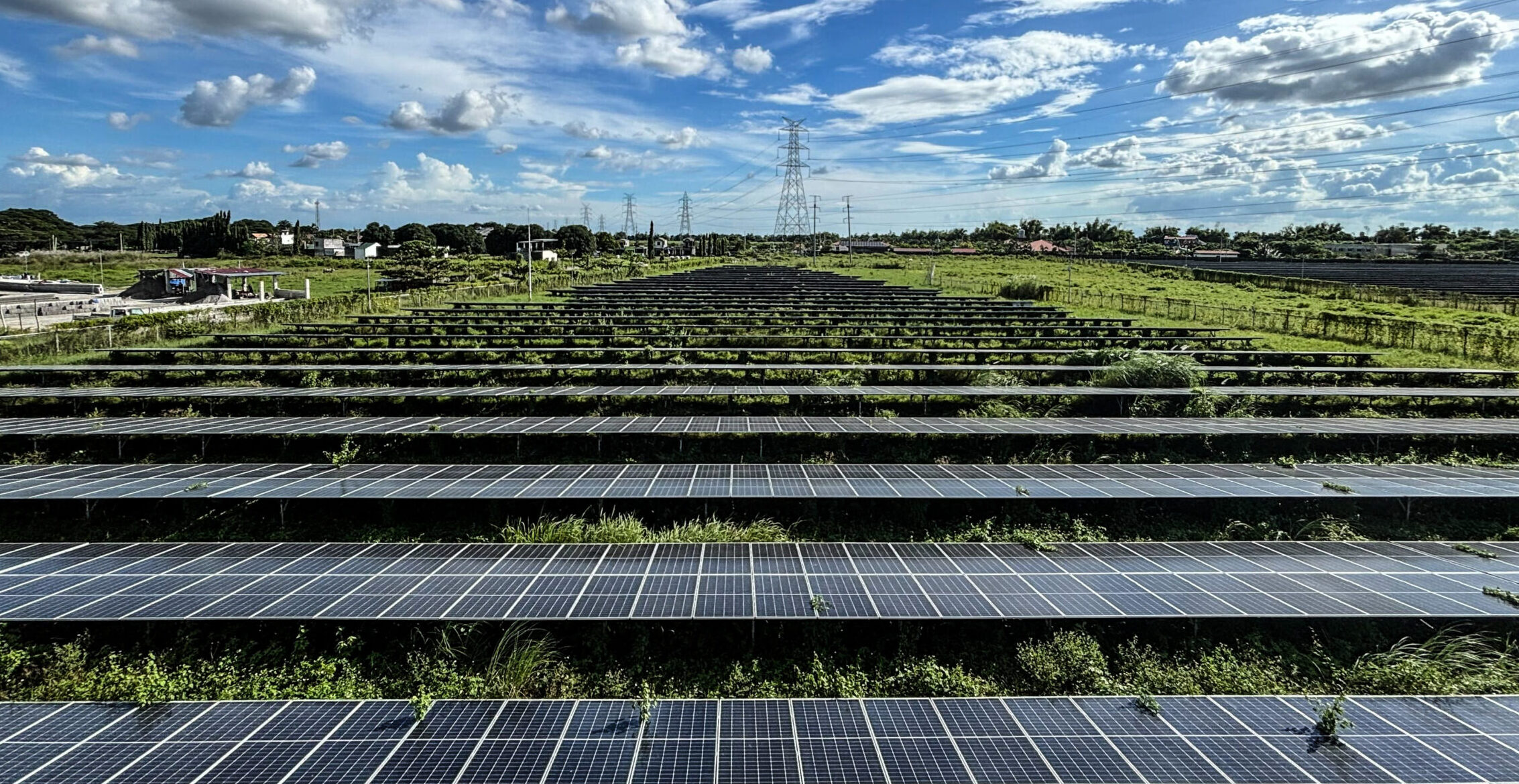
Beyond pricing, the geopolitical implications are equally noteworthy. The UAE has been steadily expanding its energy strategy in recent years, investing in both traditional oil production and renewable energy initiatives. By stepping away from OPEC, the country may be signaling a desire for greater autonomy in determining its production levels and long-term energy policy. This could allow it to respond more flexibly to global demand, but it also introduces a layer of unpredictability for other market participants.
The decision comes at a time when global energy markets are already under strain due to geopolitical tensions, supply chain disruptions, and fluctuating demand patterns. Any shift in OPEC’s structure or influence has the potential to amplify these existing pressures. Analysts suggest that if coordination among major oil producers weakens, the market could experience more frequent price swings, making it harder for businesses and governments to plan effectively.
There is also concern about the broader economic impact. Rising oil prices tend to feed into higher transportation and production costs, which can drive inflation across multiple sectors. For countries heavily dependent on energy imports, this could translate into increased fiscal pressure and slower economic growth.
While it remains unclear whether other OPEC members will follow the UAE’s lead, the development has undeniably altered the conversation around global energy governance. The organization’s ability to maintain unity and control over supply will now be closely watched by investors, policymakers, and industry leaders alike.
In the near term, markets are likely to remain volatile as stakeholders assess the implications of this decision. In the longer term, the UAE’s exit could mark the beginning of a more fragmented and competitive oil landscape one where traditional alliances are tested and new strategies emerge in response to an evolving global energy order.