








‘Asia’s Cleanest Village’ Bans Tourists on Sundays to Reclaim Its Peaceful Identity
In a striking move that challenges the very industry that brought it fame, Mawlynnong widely known as “Asia’s cleanest village” has begun banning tourists every Sunday in an effort to reclaim its sense of everyday village life.
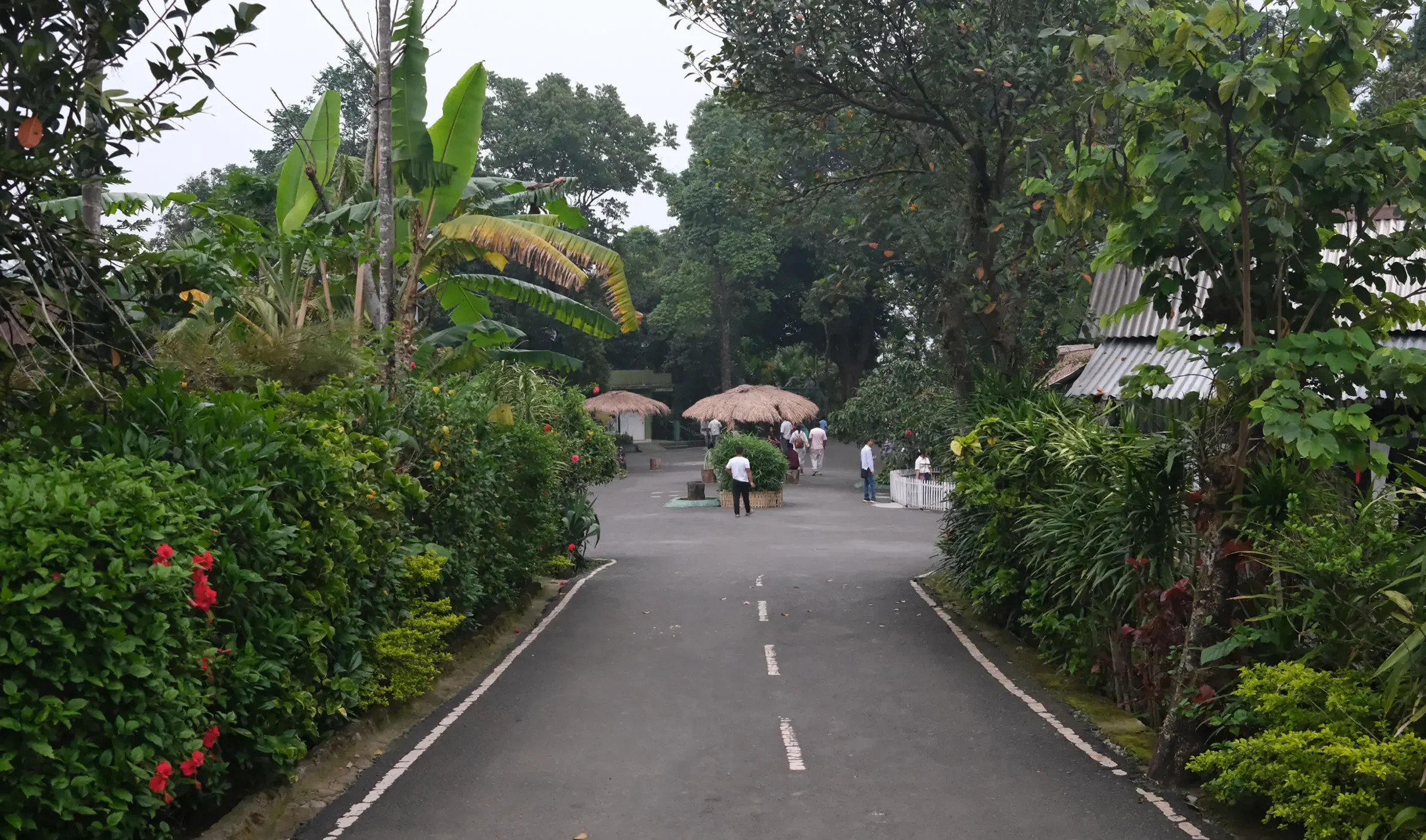
Nestled in India’s northeastern state of Meghalaya, close to the Bangladesh border, Mawlynnong rose to prominence after being named Asia’s cleanest village in 2003. Since then, it has become a popular destination for domestic and international visitors drawn to its immaculate lanes, carefully maintained flower beds, and reputation for environmental discipline.
On peak days, as many as 1,000 tourists arrive in a village of just 600 residents, turning the quiet settlement into a bustling attraction. Visitors stroll through spotless pathways, take photographs of bamboo walkways and gardens, and observe a community where cleanliness is not a campaign but a way of life. From a young age, children participate in maintaining the village, sweeping streets before school and ensuring that waste is carefully managed and biodegradable materials are properly disposed of.
However, the surge in tourism has also brought challenges. Residents say the constant flow of visitors has begun to disrupt the rhythm of daily life, placing pressure on infrastructure and reducing the sense of privacy and calm that once defined the village. In response, community leaders decided that one day each week should be reserved exclusively for locals.
Since January 2026, gates leading into Mawlynnong have been locked and guarded every Sunday, preventing entry to day-trippers and temporarily halting tourism activity. While the decision has meant turning away valuable income, villagers say the trade-off is necessary to preserve what they describe as “real village life.”
The initiative reflects a growing global conversation about sustainable tourism—how destinations can balance economic benefits with cultural preservation and environmental protection. While tourism has significantly improved livelihoods in Mawlynnong, residents are now seeking a more controlled model that prioritizes community well-being over constant visitor access.
Supporters of the ban argue that it is a bold example of a community taking ownership of its identity, refusing to let popularity erase its traditions. Critics, however, question whether limiting tourism could affect income for local families who rely on visitor spending.
Still, Mawlynnong’s decision has drawn international attention as a rare case of a tourist hotspot deliberately stepping back from tourism. In doing so, the village is sending a powerful message: that even the world’s most celebrated destinations may need boundaries to protect what makes them special in the first place.