







Europe’s Rich Cultural Heritage: A Journey Through Traditions That Inspire the World
Europe is a continent where history, art, music, architecture, and centuries-old traditions come together to create one of the world’s richest cultural landscapes. From grand medieval castles and ancient cathedrals to vibrant festivals and world-famous cuisine, European culture continues to attract millions of visitors each year while influencing societies across the globe.
One of Europe’s greatest strengths is its cultural diversity. Although the continent is relatively small in size, it is home to dozens of countries, each with its own language, customs, folklore, and traditions. Whether it is the elegant cafés of France, the Renaissance heritage of Italy, the folk dances of Eastern Europe, or the Viking legacy of Scandinavia, every region offers a unique cultural identity.
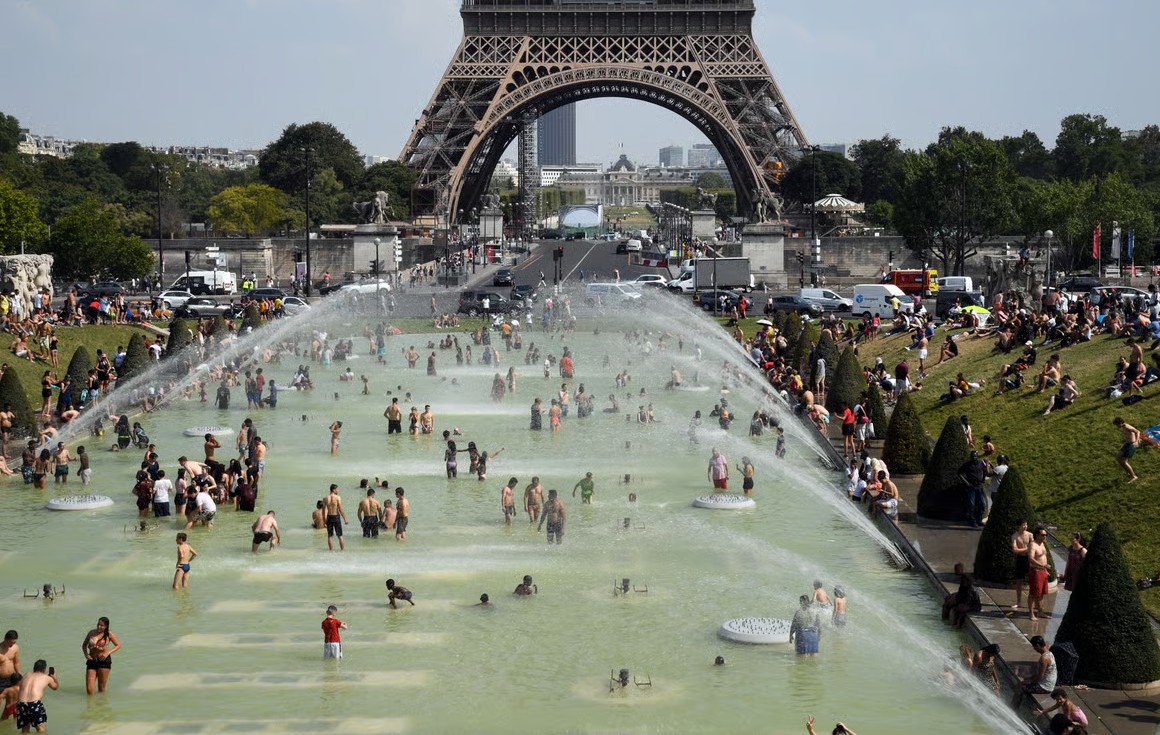
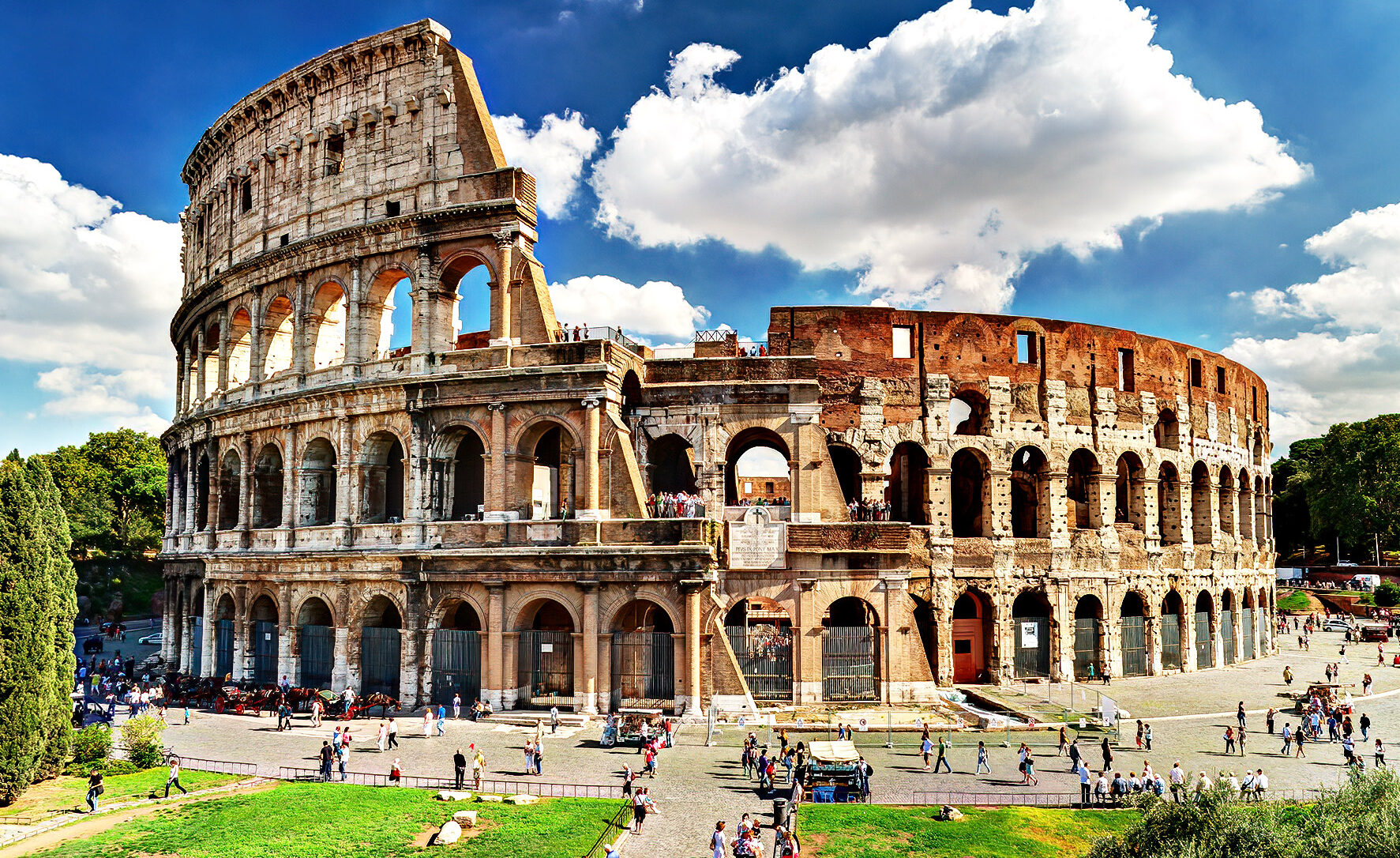
Art and architecture are deeply woven into everyday life across Europe. Cities such as Paris, Rome, Prague, Vienna, and Barcelona are living museums, where centuries-old landmarks stand alongside modern masterpieces. Historic churches, royal palaces, museums, and public squares tell the stories of civilizations that shaped world history.
European culture is also celebrated through its festivals. From colorful carnivals and Christmas markets to music festivals and traditional village celebrations, these events bring communities together while preserving customs passed down through generations. Many festivals feature traditional costumes, folk music, regional dances, and local cuisine, giving visitors an authentic glimpse into local life.
Food plays an equally important role in Europe’s cultural identity. Every country takes pride in its culinary traditions, using fresh local ingredients and recipes refined over centuries. Whether enjoying Italian pasta, French pastries, Spanish tapas, Greek seafood, or Swiss chocolate, dining in Europe is often seen as a social experience that brings family and friends together.
Despite embracing modernization, Europe continues to preserve its heritage through cultural conservation, education, and tourism. Historic sites are carefully restored, traditional crafts are protected, and younger generations are encouraged to keep local customs alive.
Europe’s culture is more than a collection of monuments or traditions—it is a living expression of creativity, diversity, and shared history. By preserving its past while embracing the future, the continent continues to inspire travelers, artists, and historians from around the world, making it one of the most fascinating cultural destinations on Earth.