








Europe Swelters Under Intense Heatwave as Record Temperatures Grip the Continent
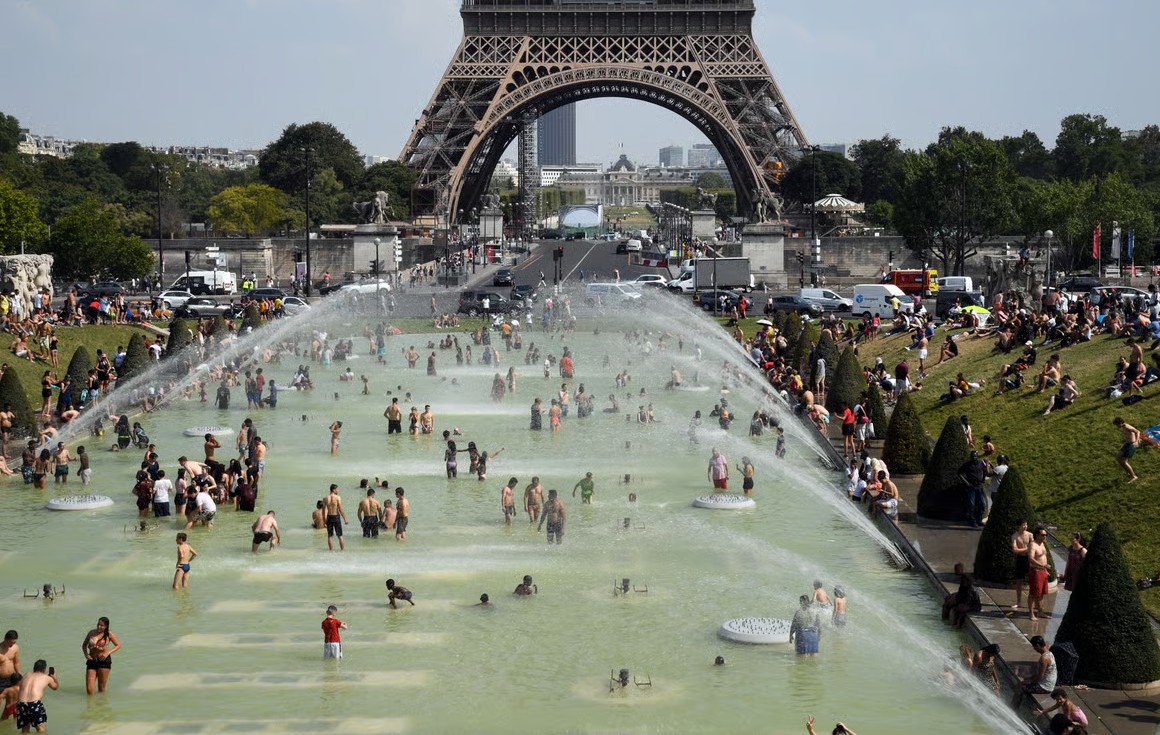
A powerful heatwave is sweeping across Europe, bringing soaring temperatures, heightened wildfire risks, and growing concerns over public health and infrastructure. Millions of people are facing extreme weather conditions as meteorologists warn that the prolonged spell of intense heat could become one of the most severe of the summer.
Countries across Southern and Western Europe have recorded unusually high temperatures, with some regions experiencing daytime highs well above 40 degrees Celsius. Authorities in several nations have issued heat alerts, urging residents to stay hydrated, avoid outdoor activities during peak afternoon hours, and take extra precautions to protect vulnerable groups, including the elderly, children, and those with underlying health conditions.
The scorching temperatures have also increased the risk of wildfires, particularly in dry forests and rural areas. Emergency services remain on high alert as firefighters battle blazes fueled by hot, dry winds and parched vegetation. Governments have strengthened monitoring efforts and imposed restrictions in some high-risk areas to reduce the chances of new fires breaking out.
The heatwave is placing additional strain on electricity networks as demand for air conditioning reaches seasonal highs. Farmers are also expressing concern over the impact of prolonged heat and limited rainfall on crops, livestock, and water supplies, raising fears of reduced agricultural yields in affected regions.
Health experts warn that extreme heat can lead to dehydration, heat exhaustion, and heatstroke, particularly among people who spend long hours outdoors. Hospitals and emergency services have encouraged the public to recognize the symptoms of heat-related illnesses and seek medical attention when necessary.
Scientists say heatwaves across Europe are becoming more frequent and more intense, with climate change contributing to rising average temperatures and longer periods of extreme weather. They stress the importance of improving climate resilience through better urban planning, expanded green spaces, stronger emergency preparedness, and measures to reduce greenhouse gas emissions.
As Europe endures another period of exceptional heat, governments and communities are working to protect lives, safeguard critical infrastructure, and reduce the impact of increasingly challenging weather conditions. The latest heatwave serves as another reminder of the growing need to adapt to a warming climate while strengthening long-term environmental policies.