


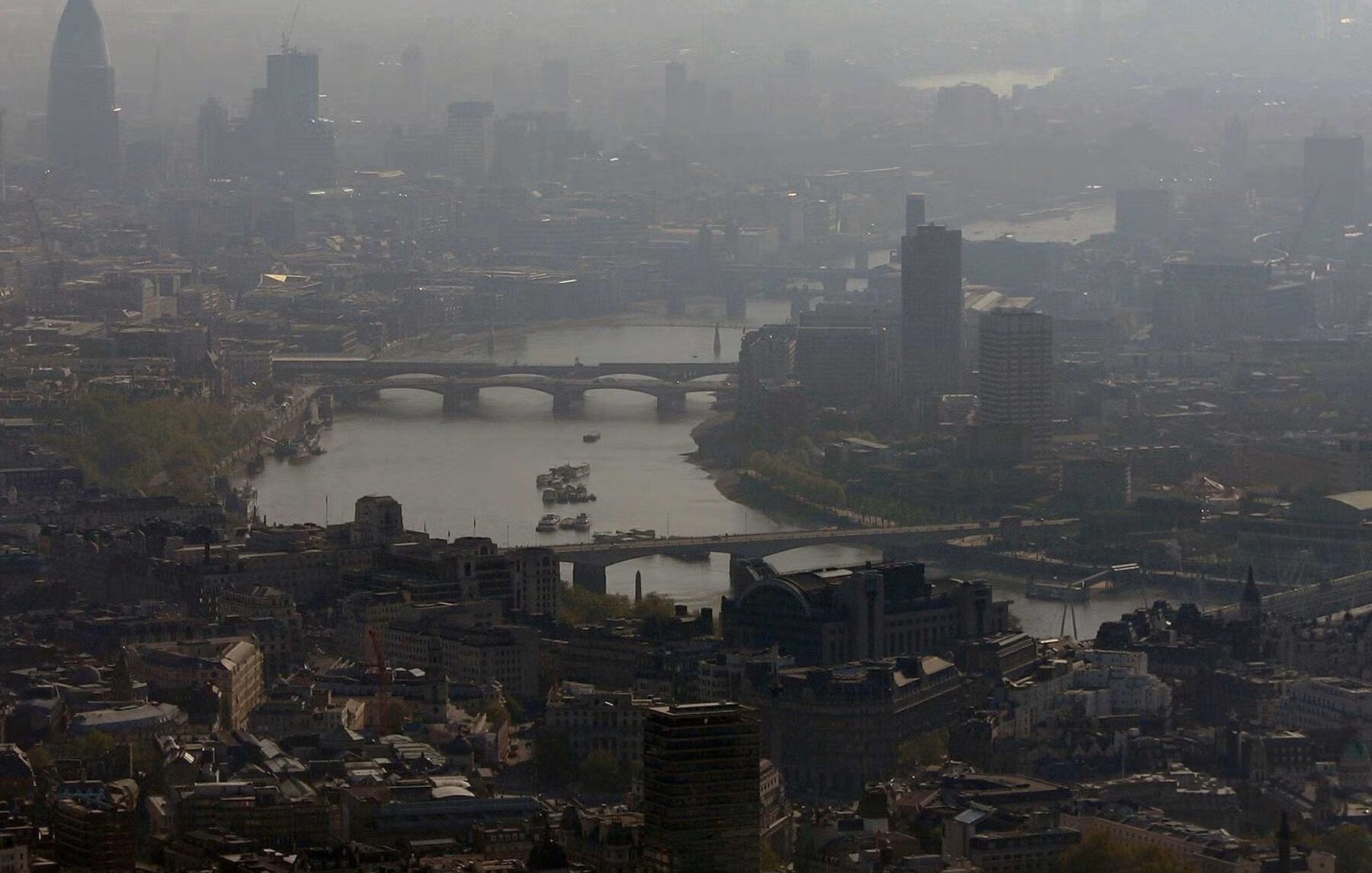







WHO Reports Stalled Progress on Air Pollution and Health, Warns of Widening Global Health Inequalities
The World Health Organization (WHO) has released updated Sustainable Development Goal (SDG) indicator data showing that global progress in reducing air pollution and improving health outcomes has stalled, with significant disparities persisting between high-income and low- and middle-income countries.
The latest findings indicate that concentrations of fine particulate matter (PM2.5), which are closely linked to respiratory and cardiovascular diseases, declined globally until around 2020 but have since remained largely unchanged. The report highlights that this stagnation threatens global efforts to reduce preventable disease burdens associated with environmental risks.
WHO data show a sharp imbalance in exposure levels. In 2023, populations in low- and middle-income countries were disproportionately affected, with the number of people exposed to air pollution exceeding WHO guideline thresholds estimated to be 13 times higher than in high-income countries. This affected approximately 6.5 billion people worldwide, underscoring the scale of environmental inequality.
The organization also draws attention to household air pollution as a continuing public health concern. In 2024, an estimated 2 billion people still relied on inefficient cooking technologies and polluting fuels, leading to high levels of indoor air pollution. This exposure contributes significantly to noncommunicable diseases such as ischemic heart disease, stroke, chronic obstructive pulmonary disease, and lung cancer.
According to WHO estimates, low- and middle-income countries bear around 90% of the global health burden associated with air pollution, with 83% of these impacts linked to noncommunicable diseases. The data highlight the disproportionate effect on vulnerable populations and health systems already facing resource constraints.
Regional analysis shows uneven progress. While parts of Asia have achieved notable reductions in air pollution levels over the past decade, other regions including Africa, western Asia, and northern Africa—have seen little improvement. Urban areas have generally recorded better outcomes, with improvements in air quality observed across income groups. However, rural areas in low-income countries continue to experience either stagnant or worsening conditions.
Access to clean cooking energy remains another critical challenge. Although progress has been made in several Asian countries, access deficits persist elsewhere, particularly in sub-Saharan Africa, where approximately 970 million people lack access to clean cooking solutions. This number is projected to rise further without targeted intervention.
WHO emphasizes that robust, evidence-based data is essential for effective policymaking. The organization calls for strengthened international cooperation, multi-sector action, and sustained investment in clean energy and air quality improvements to address environmental health inequalities and reduce the global burden of disease.
The findings underscore the urgent need to integrate environmental and public health strategies to ensure equitable access to clean air and sustainable energy worldwide.