






Climate Developments Intensify: Tropical Forest Gains at Risk as El Niño Fires, Fossil Fuel Debates, and Extreme Weather Shape Global Agenda
Global climate discussions on April 30, 2026, highlight a complex picture of progress and growing risks, as scientists and policymakers warn that recent environmental gains could be reversed by rising climate pressures.
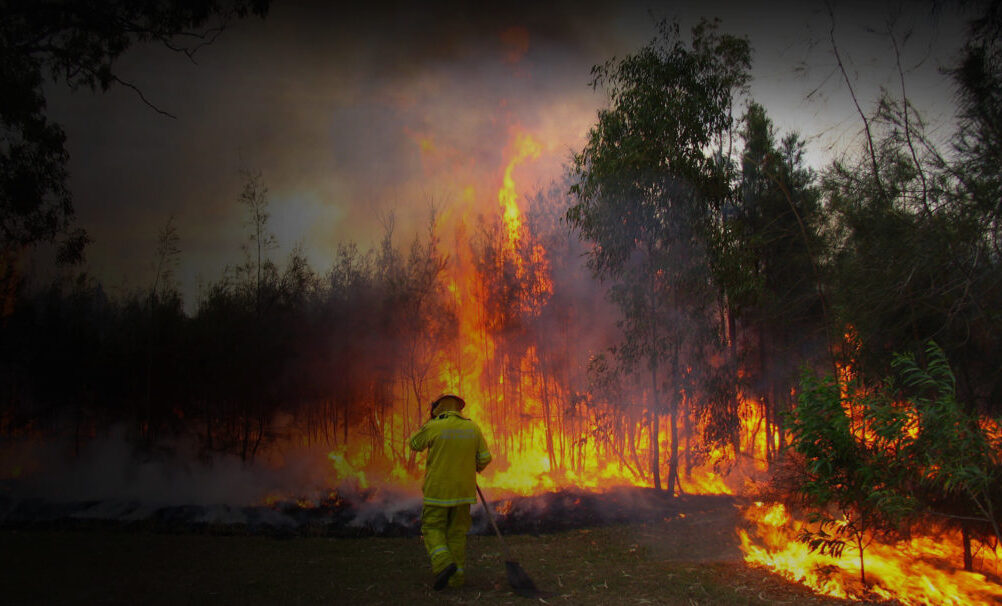
One of the key developments is that global tropical forest loss has shown signs of slowing in recent years, marking a positive shift in conservation efforts across several regions. However, experts caution that this progress remains fragile. Increasing fire activity linked to El Niño weather patterns is now emerging as a major threat, with dry conditions and heatwaves raising the risk of large-scale forest damage. Environmental agencies warn that if fire outbreaks intensify, they could quickly undo years of progress in forest protection and carbon reduction efforts.
At the same time, international climate debates are becoming more intense, particularly around the issue of fossil fuel phase-outs. Countries remain divided over how quickly they should transition away from coal, oil, and gas. While some nations are pushing for aggressive timelines to reduce emissions, others argue for a slower transition to protect energy security and economic stability. These disagreements continue to shape global climate negotiations and policy decisions.
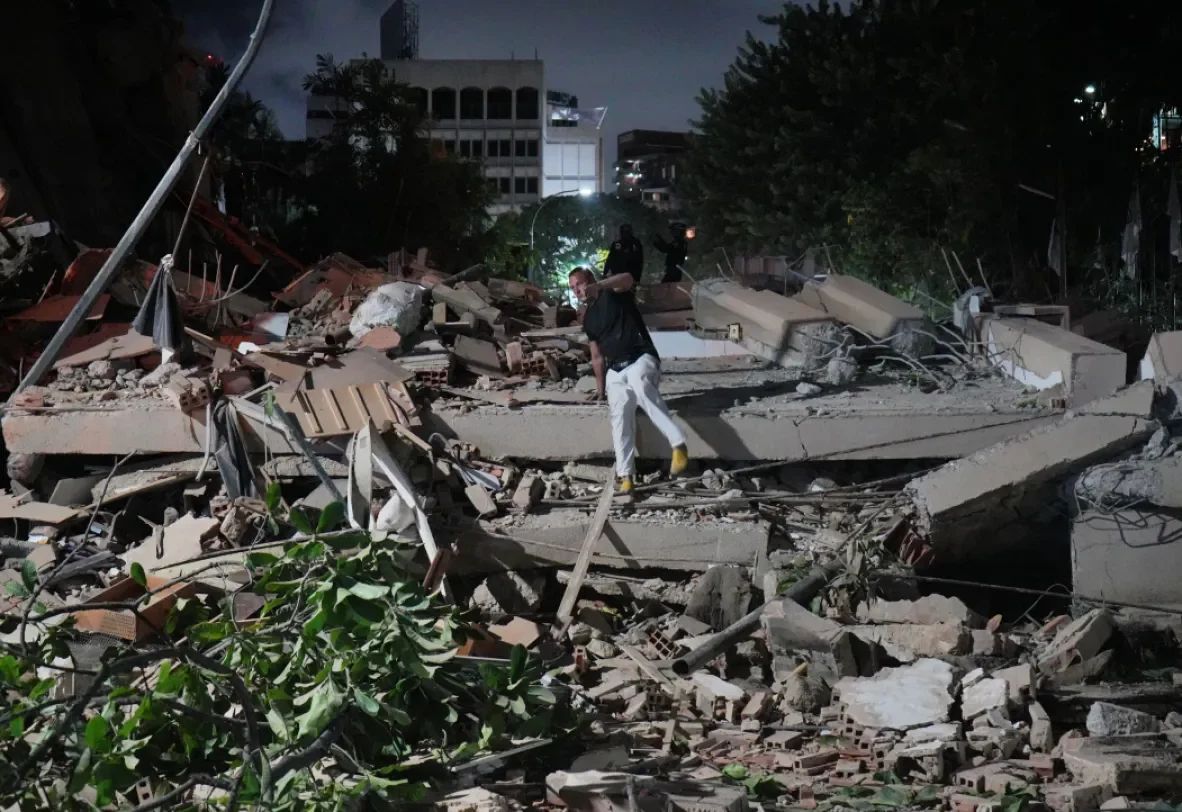
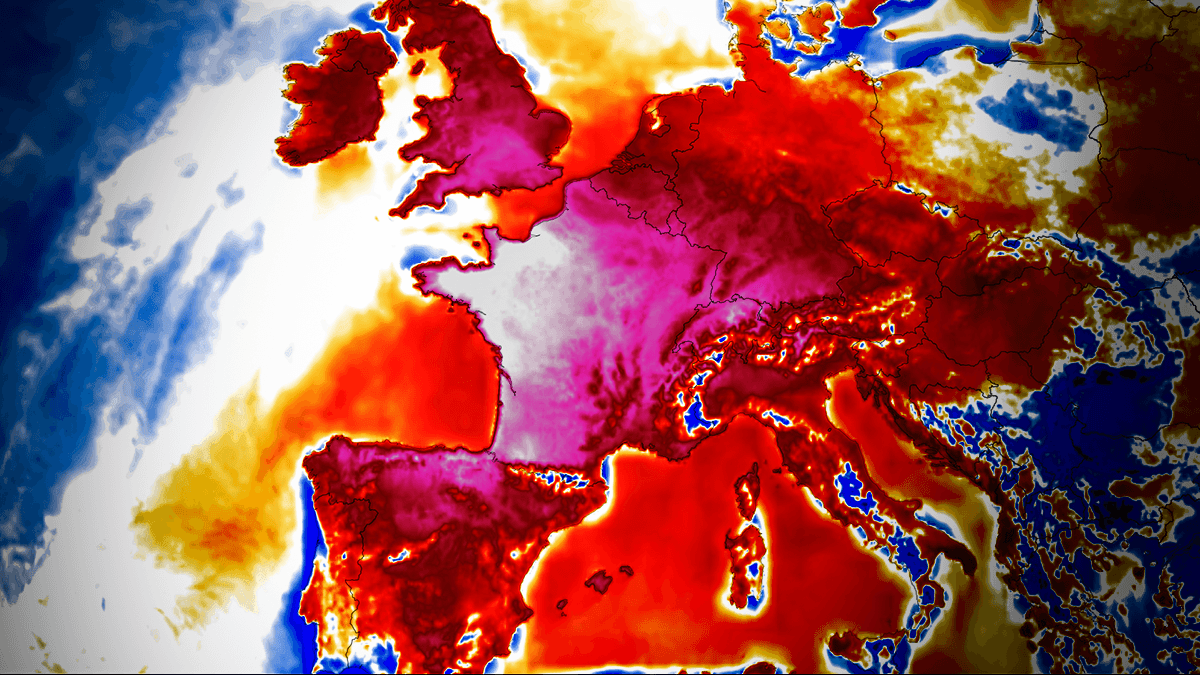
Extreme weather events are also drawing global attention, with floods, heatwaves, and storms affecting multiple regions. Scientists say such events are becoming more frequent and severe due to rising global temperatures, increasing pressure on governments to strengthen climate adaptation strategies and disaster preparedness systems.
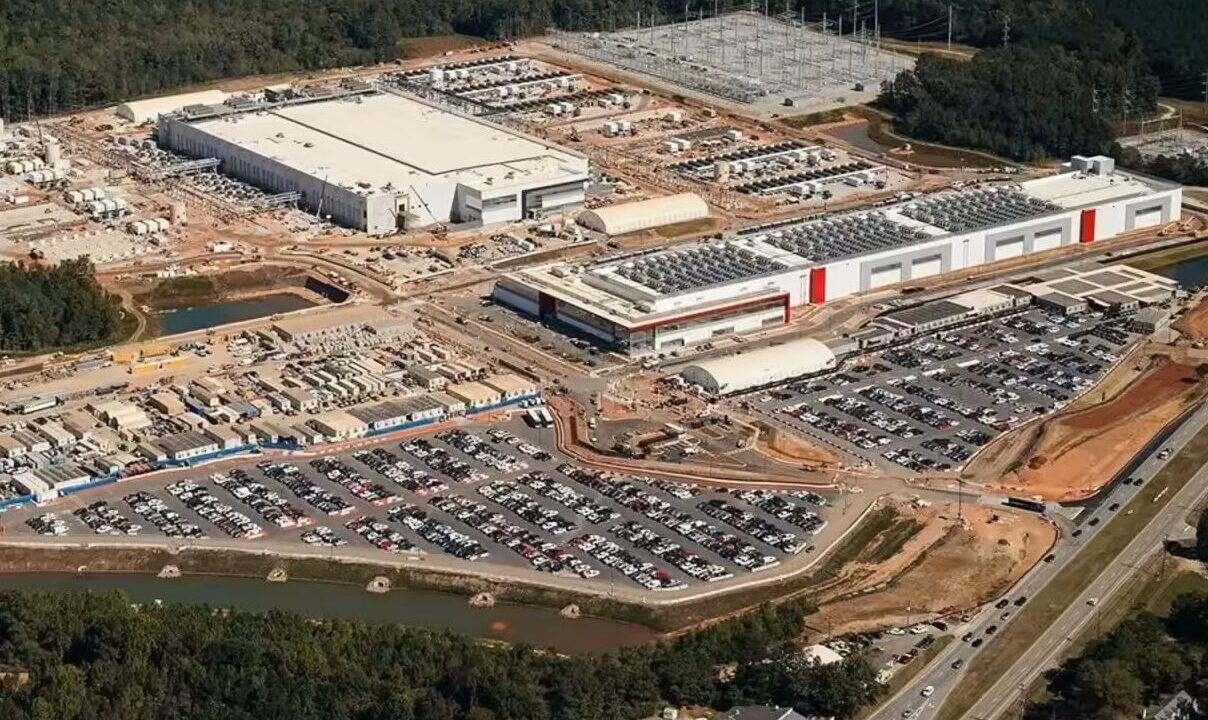
In addition, legal battles over pollution and environmental responsibility are gaining momentum in several countries. Courts are increasingly being asked to rule on cases involving industrial emissions, environmental damage, and government accountability, reflecting a growing trend of climate-related litigation worldwide.
Together, these developments highlight a critical moment in global climate action. While progress in areas like forest conservation offers hope, rising climate risks and policy disagreements underscore the urgency of coordinated international action.
In conclusion, the climate landscape of April 2026 reflects both achievement and vulnerability. The balance between environmental progress and emerging threats will depend heavily on how quickly nations can align on emissions reduction, climate resilience, and sustainable development goals.