




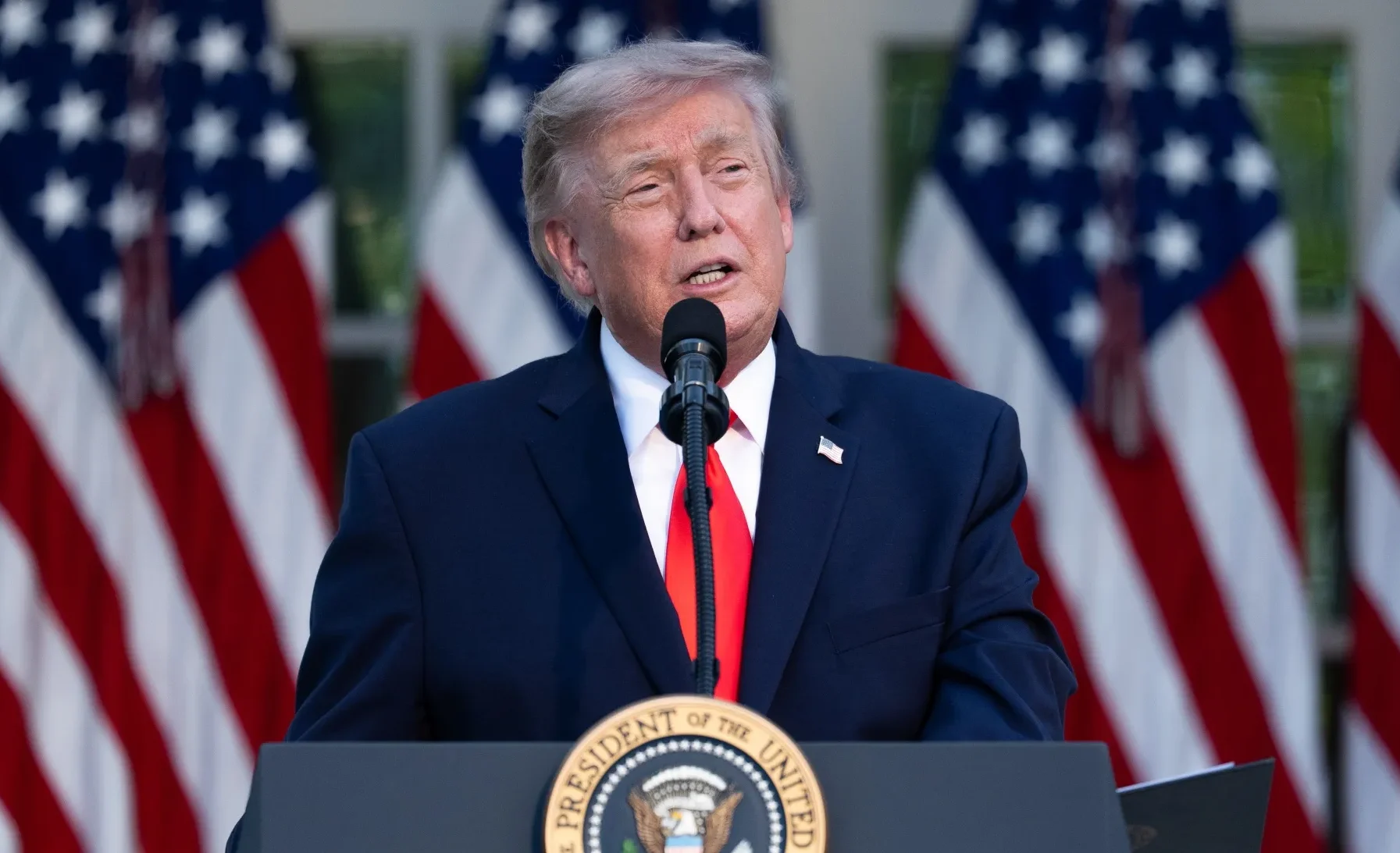





Business Tensions Rise as Trump Threatens 100% Tariff Over European Digital Tax Plans
Donald Trump has escalated trade tensions with Europe after vowing to impose a 100% import tariff on any country that introduces or enforces a digital services tax targeting major American technology companies, raising fresh concerns for global business and trade stability.
In a statement posted on his Truth Social platform, Trump said that “numerous European countries” were considering new digital levies on large technology firms and warned that any such measures would be met with immediate and severe economic retaliation. He described the proposed response as a blanket tariff on “any and all goods sent to the United States of America,” arguing that it would supersede existing trade agreements.
The announcement adds uncertainty to ongoing international discussions over how digital services should be taxed, particularly in relation to major U.S. tech firms operating across multiple jurisdictions. Countries across Europe have been exploring digital taxation frameworks aimed at ensuring that companies generating significant revenue from online advertising, e-commerce, and user data contribute more fairly to local tax systems.
The United Kingdom has already implemented a 2% Digital Services Tax, which applies to large search engines, social media platforms, and online marketplaces with global digital revenues exceeding £500 million and UK revenues above £25 million. The policy has generated substantial revenue, raising more than £800 million in the 2024–25 financial year, according to the UK Treasury.
The tax affects several major American technology companies, including Google, Meta, Amazon, and Apple, all of which operate extensive digital advertising and commerce ecosystems in the UK and broader European market. Washington has previously expressed concern that such measures disproportionately target U.S. firms.
Trump’s latest comments come amid ongoing debates over digital taxation and international trade fairness. Earlier in the year, he warned that the UK could face increased tariffs over what he described as unfair targeting of American companies through digital tax policies.
Economists and trade analysts say that the proposed 100% tariff threat, if implemented, could significantly disrupt transatlantic trade flows and intensify tensions between the United States and European economies. Businesses operating across both regions could face increased costs, supply chain uncertainty, and potential retaliatory measures.
As discussions continue, governments and multinational corporations are closely watching developments, with many calling for renewed negotiations to avoid escalation and ensure stability in global digital trade policy.