






Chinese Tycoon Guo Wengui Sentenced to 30 Years in US Over Billion-Dollar Fraud Scheme
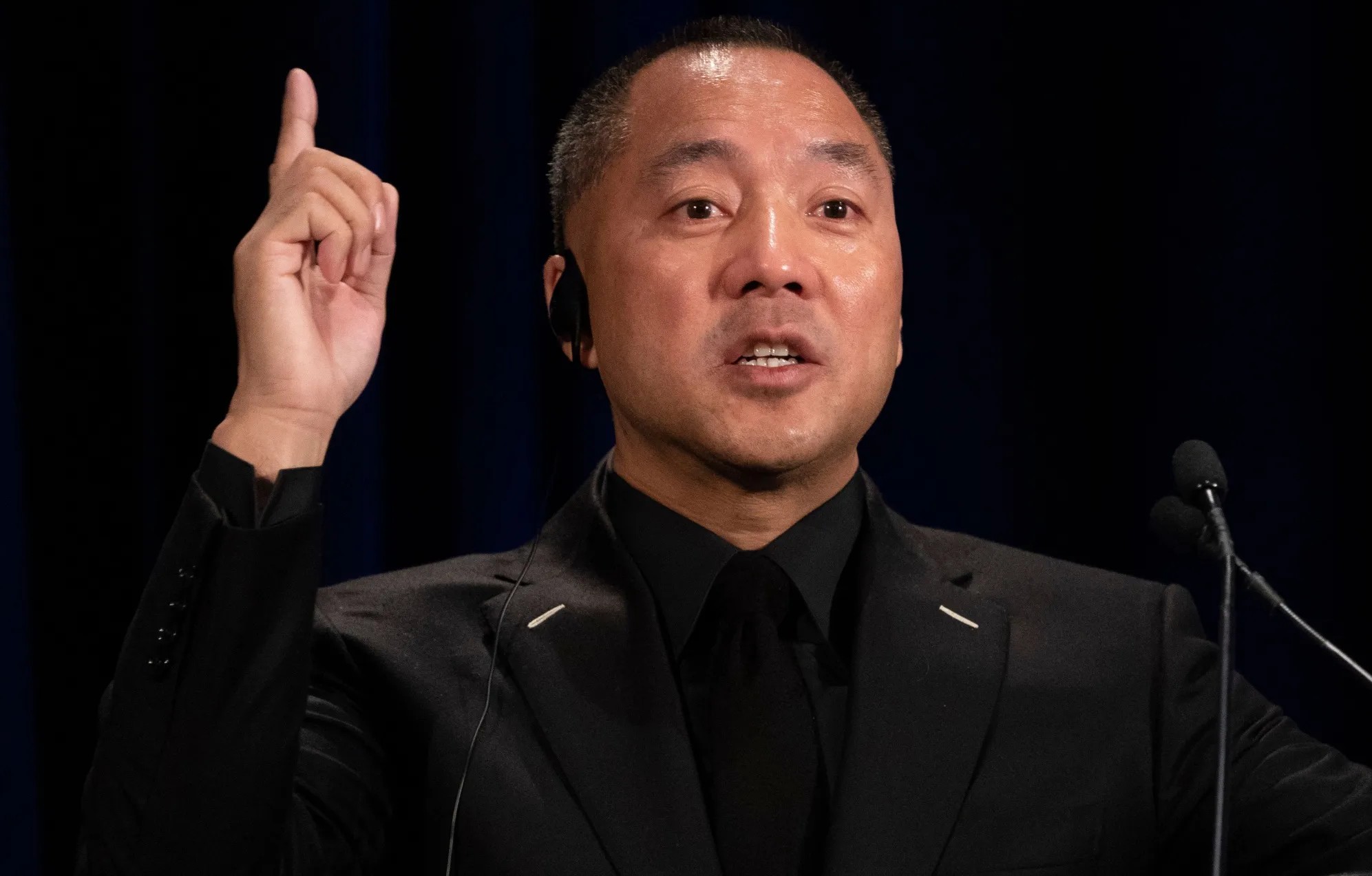
Former Chinese property tycoon Guo Wengui, once regarded as one of China’s wealthiest businessmen, has been sentenced to 30 years in prison in the United States after being convicted of running a massive fraud and money laundering scheme that prosecutors said defrauded investors of more than $1 billion.
The sentencing marks a dramatic fall for Guo, who fled China in 2017 and later reinvented himself in the US as a high-profile critic of the Chinese Communist Party. Using multiple names, including Miles Guo and Ho Wan Kwok, he built a large online following among members of the Chinese diaspora and positioned himself as a political dissident advocating for democratic change in China.
However, US prosecutors argued that behind the political messaging, Guo was orchestrating a sophisticated financial fraud. He was convicted on charges including racketeering, fraud, and money laundering after a court found that he had misused funds raised from thousands of supporters who believed they were investing in legitimate ventures and political initiatives.
Judge Analisa Torres described Guo’s actions as predatory, stating that he had “preyed on those seeking to bring democracy to China” and used their trust to finance an extravagant personal lifestyle. Prosecutors said the funds were spent on luxury assets, including a massive estate, high-end vehicles, and a multimillion-dollar yacht, rather than the promised investment projects.
US attorney Sean S. Buckley said the case demonstrated that fame and wealth do not place individuals above the law, emphasizing that Guo exploited the trust of supporters for personal enrichment. He added that the sentence sends a strong warning to those who use public influence to commit large-scale financial crimes.
Before his exile, Guo had built significant wealth in China’s property sector and reportedly maintained connections with senior political figures. After seeking asylum in the United States, he became a vocal critic of Beijing and aligned himself with other China-focused activists, including former Trump adviser Steve Bannon. Together, they launched a political campaign aimed at opposing the Chinese Communist Party and mobilizing overseas supporters.
Prosecutors alleged that between 2018 and 2023, Guo raised more than $1 billion through investment schemes and cryptocurrency ventures, many of which were promoted through online platforms. While Guo claimed the funds were directed toward activism and resistance efforts, investigators concluded that the majority was diverted for personal use.
The sentencing brings an end to a high-profile case that combined elements of political activism, financial fraud, and international controversy. It also highlights the growing scrutiny of online fundraising schemes and the risks faced by supporters who invest in politically charged movements without clear financial oversight.