










Indus Valley Civilization: The Rise of One of the World’s Earliest Urban Cultures
The Indus Valley Civilization, one of the world’s oldest and most advanced early societies, continues to fascinate historians and archaeologists with its remarkable achievements in urban planning, trade, and social organization. Dating back to around 2600 BCE, this ancient civilization flourished along the Indus River and its surrounding regions, covering parts of present-day Pakistan and northwest India.
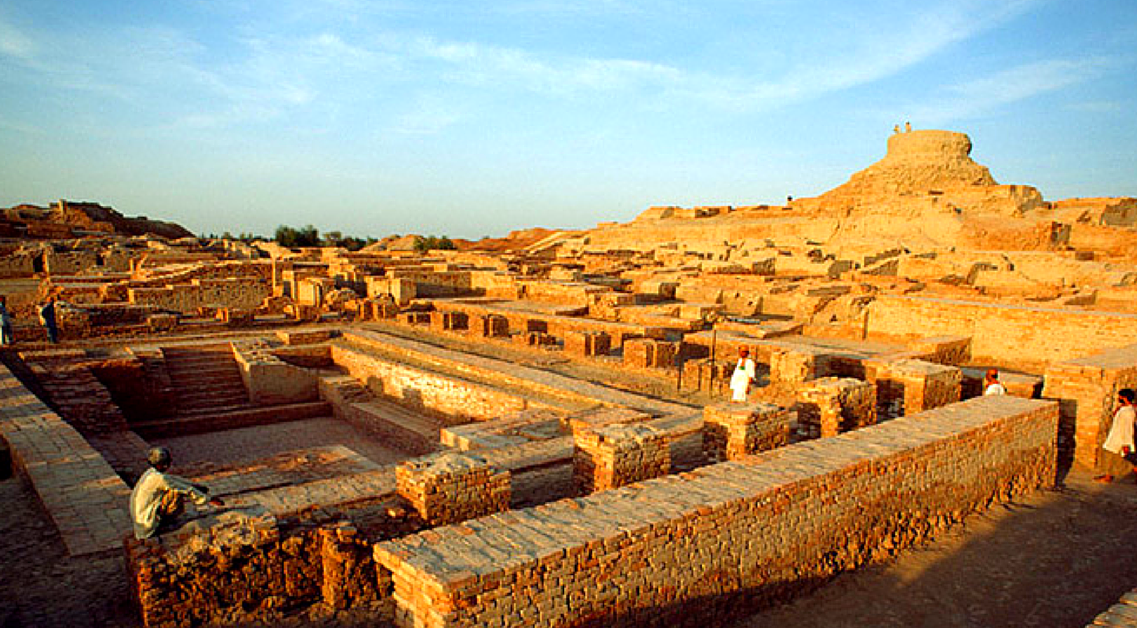
Often referred to as the Harappan Civilization, after one of its major cities Harappa, the Indus Valley society was notable for its well-planned cities, which featured grid-based layouts, advanced drainage systems, and standardized construction methods. Another prominent city, Mohenjo-daro, showcased impressive engineering, including public baths, wide streets, and brick-built houses, reflecting a high level of civic organization.
One of the most striking features of the Indus Valley Civilization was its emphasis on urban infrastructure. Houses were built with baked bricks and often included private wells and bathrooms, connected to a sophisticated drainage system. This level of planning suggests that the society placed great importance on hygiene and public health—something rarely seen in other civilizations of the same period.
Trade played a crucial role in the growth of the civilization. Archaeological evidence indicates that the Indus people engaged in extensive trade with regions as far as Mesopotamia. Items such as beads, pottery, and seals have been discovered, highlighting a thriving economic system and skilled craftsmanship.
Despite its many achievements, much about the Indus Valley Civilization remains a mystery. Its writing system, found on seals and artifacts, has not yet been fully deciphered, leaving historians uncertain about many aspects of its governance, culture, and beliefs. Unlike other ancient civilizations, there is also little clear evidence of powerful kings or large-scale monuments, suggesting a possibly more decentralized or community-based form of administration.
The decline of the civilization around 1900 BCE is still debated among scholars. Possible reasons include climate change, shifting river patterns, and a decline in trade networks. Unlike many ancient societies, there is little evidence to suggest that it ended due to invasion or war.
Today, the Indus Valley Civilization is recognized as a cornerstone of early human development. Its achievements in city planning, trade, and daily life continue to influence our understanding of how complex societies emerged and evolved.
As research continues, the civilization remains a powerful reminder that even thousands of years ago, humans were capable of building highly organized, innovative, and sustainable communities.